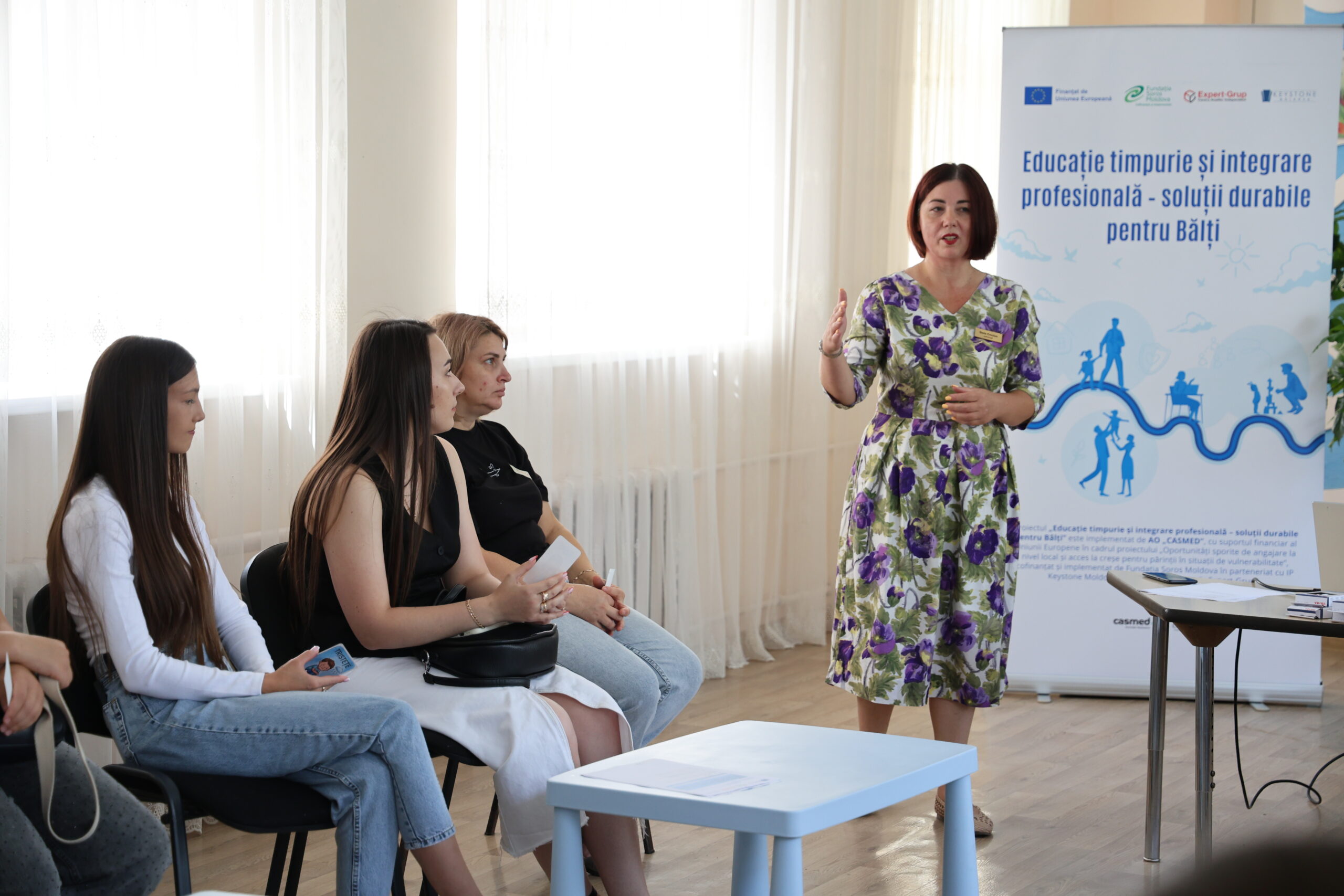
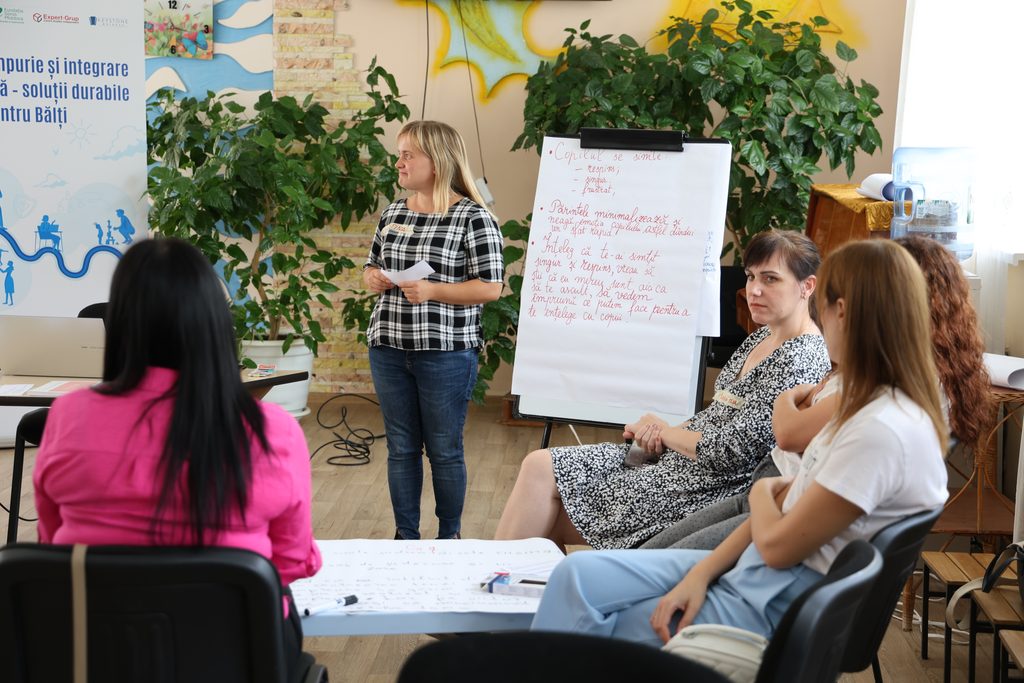
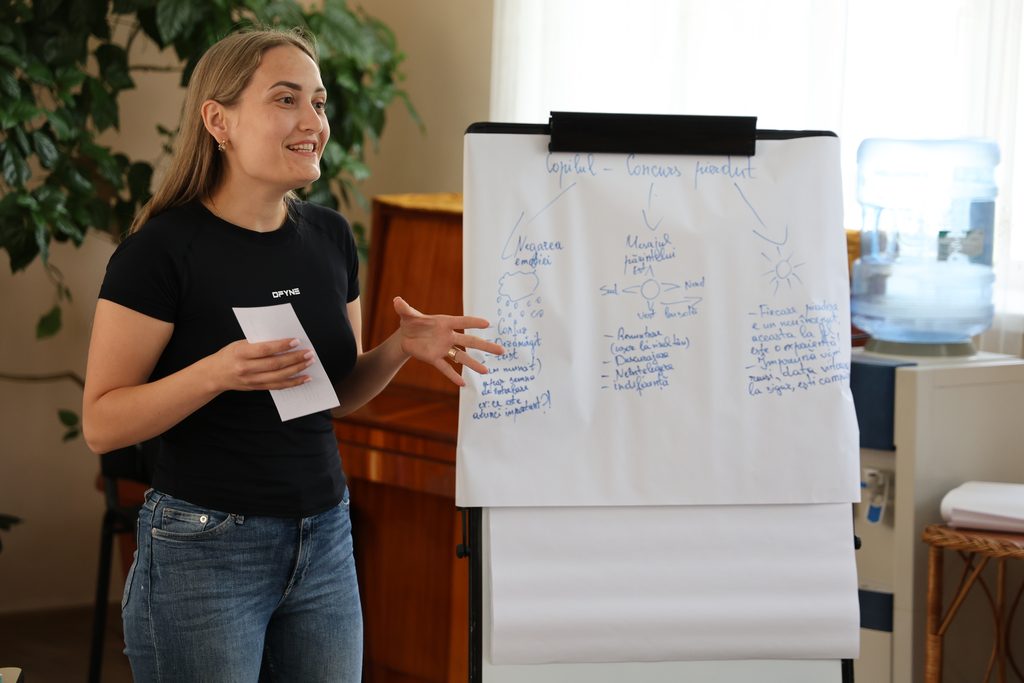
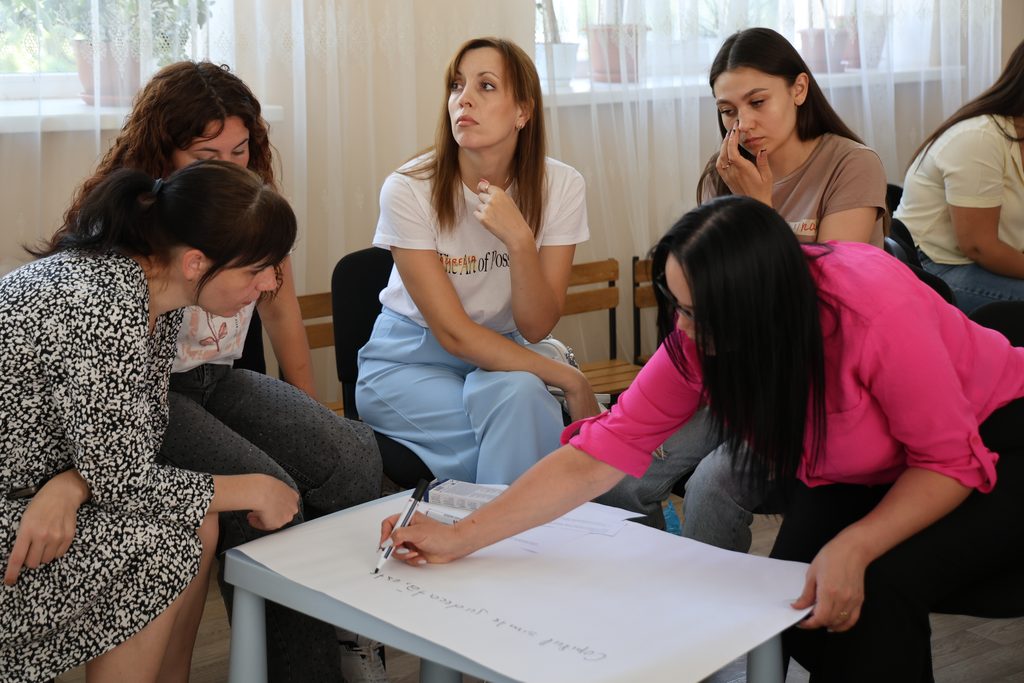
Positive Parenting Workshop: ‘From Reaction to Relationship: Empathetic Communication and Active Listening in Difficult Situations with Children’
Ana Spatari
Projects
In everyday life, parents often face challenging situations arising from their children’s behaviour: emotional outbursts, excessive screen time, refusals, conflicts, resistance or protests, and difficulties with cooperation. In such tense moments, parents may react spontaneously and impulsively by raising their voice, criticising, responding too quickly, lecturing or resorting to punishment. Although these reactions may seem effective in the short term, over time they can affect the parent–child relationship and the child’s emotional development.
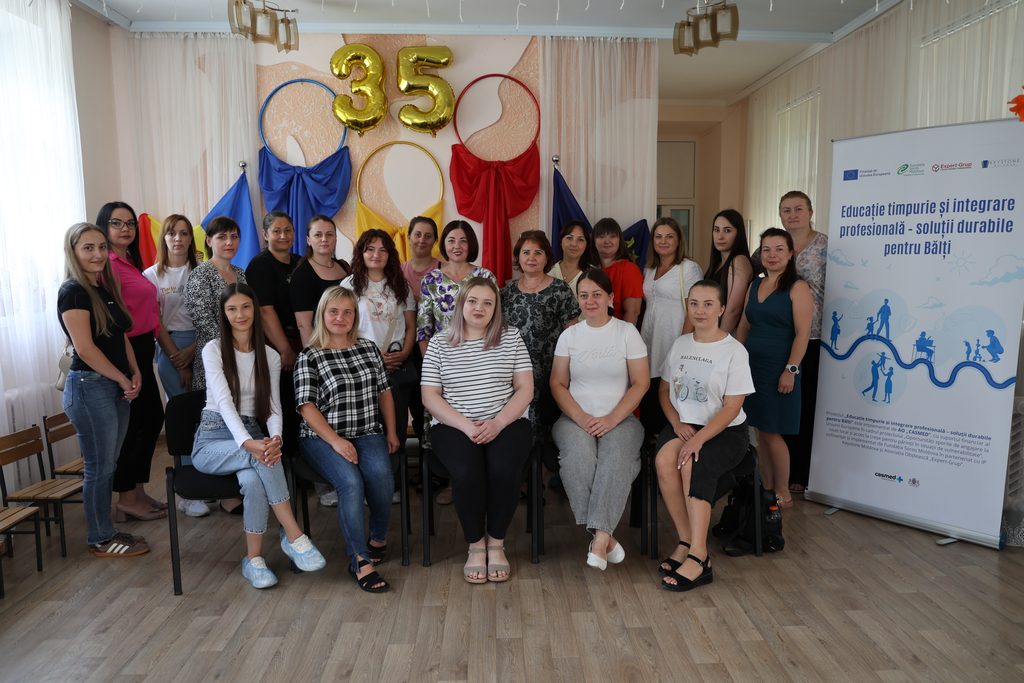
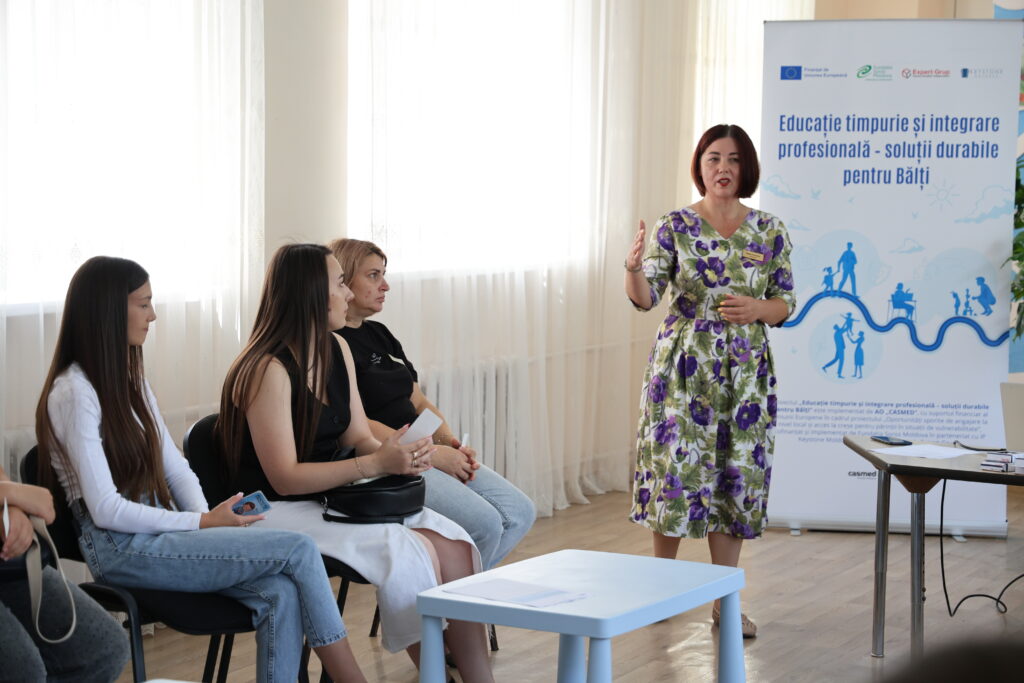
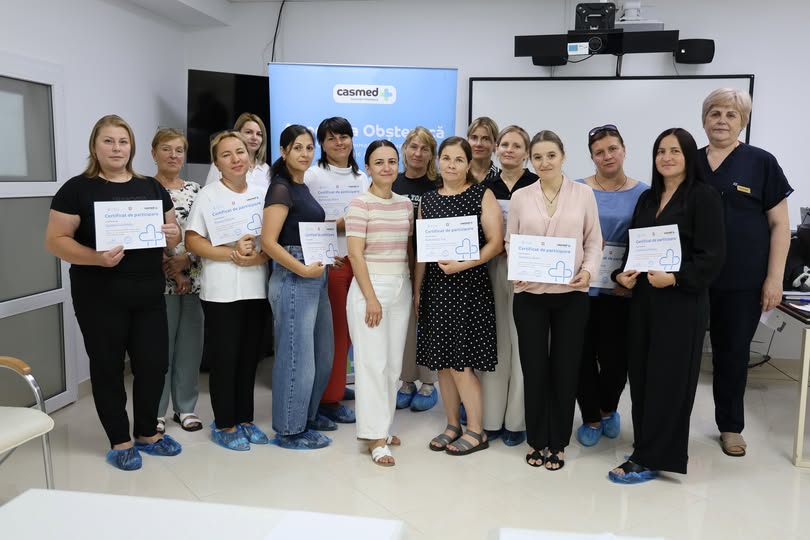
The positive parenting workshop ‘From Reaction to Relationship: Empathetic Communication and Active Listening in Difficult Situations with Children’ encouraged parents to shift their perspective: from control and automatic reactions towards connection, understanding and empathetic communication. This approach supports the development of a healthy parent–child relationship built on mutual respect and emotional safety.
The positive parenting workshop was organised as part of the project ‘Early Childhood Education and Professional Integration – Sustainable Solutions for Bălți’, implemented by CASMED Public Association with the financial support of the European Union within the project ‘Enhanced Local Employment Opportunities and Access to Nursery Services for Parents in Vulnerable Situations’, co-funded and implemented by the Soros Foundation Moldova in partnership with Keystone Moldova Public Institution and Expert-Grup Public Association.
The workshop was designed as a space for learning and reflection, where parents were guided to develop more conscious and connected ways of communicating with their children, based on empathy, understanding and emotional self-regulation.
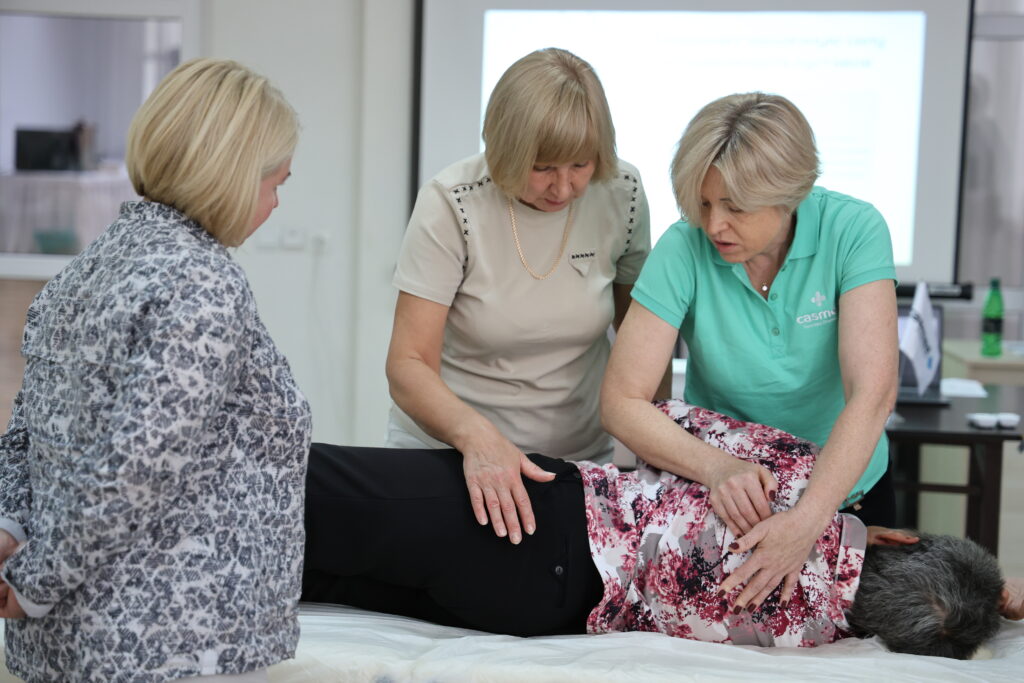
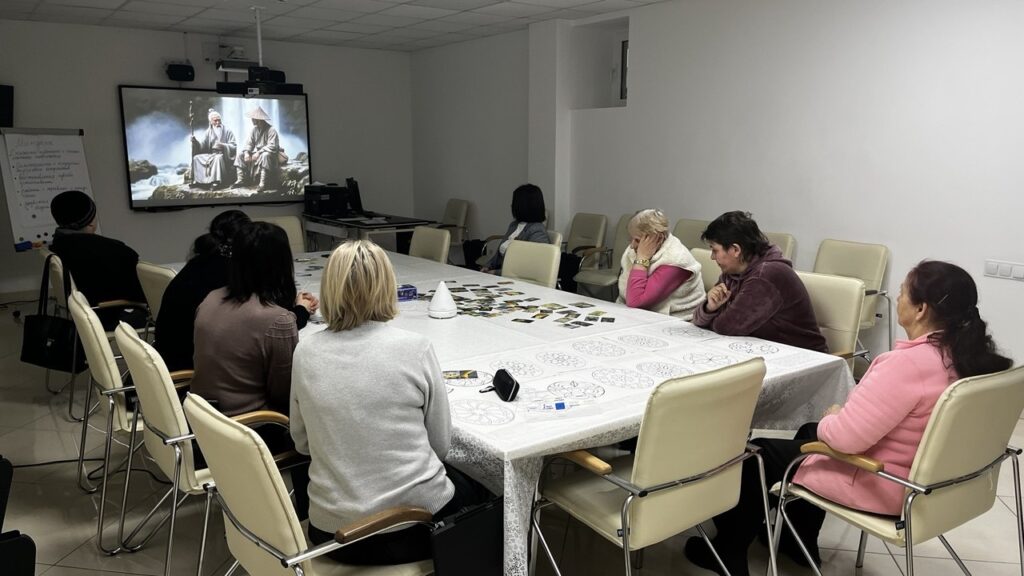
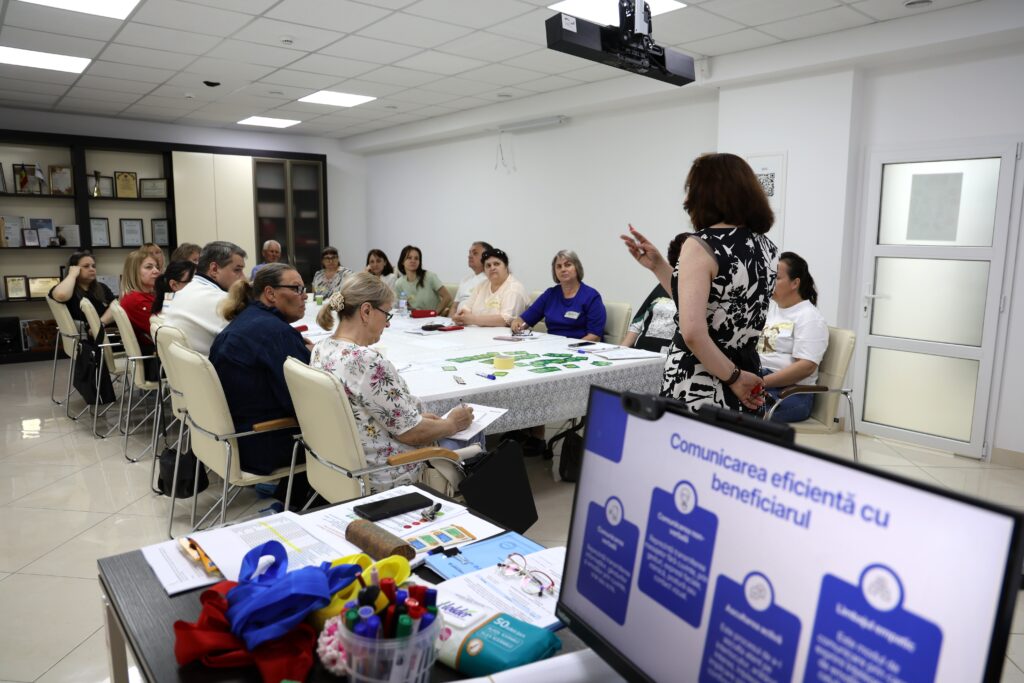
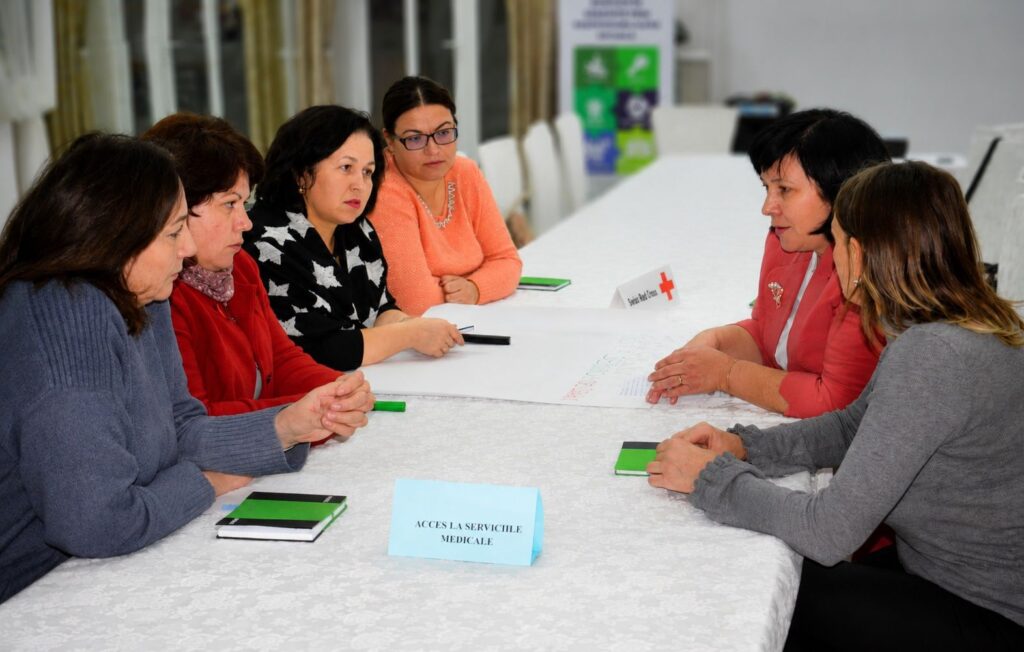
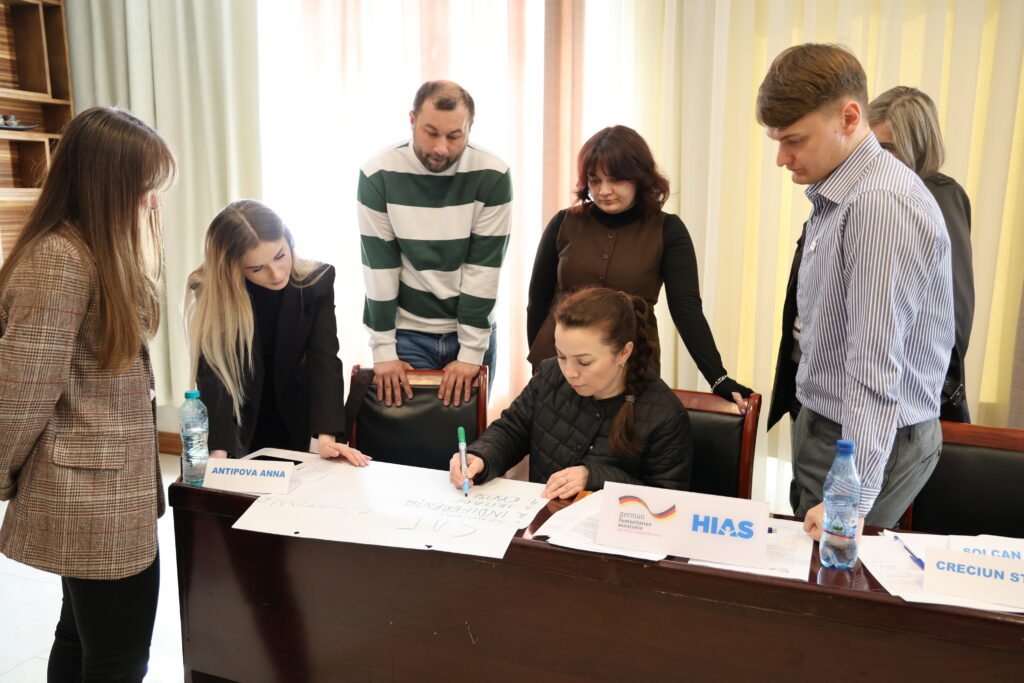
Throughout the workshop, participants took part in practical exercises, guided reflection and case studies based on real-life situations. The following topics were explored:
the difference between an automatic reaction and a conscious response;
the role of emotions in a child’s behaviour;
the importance of acknowledging and validating emotions;
active listening and empathetic communication techniques;
reframing critical messages into messages that foster connection.
Participants had the opportunity to analyse difficult situations and practise alternative ways of responding based on calmness, clarity and empathy.
The experience of Cristina Comarov, a mother of two children aged seven and a half and two years and three months, shows how important these skills can be in everyday situations. Currently on maternity leave, Cristina says the workshop helped her see both her child’s emotions and her own reactions from a different perspective:
‘I did not know how to deal with my child when they were upset. At the workshop, I learnt how to manage this emotion. I realised that sometimes I do not respond appropriately to my child’s emotions, and from now on I will know how to approach these situations differently. I used to give short answers or sometimes not give my child enough attention, but I will not do that anymore. I also really enjoyed the warm atmosphere.’
What results and benefits did parents experience?
One of the key outcomes was a greater understanding that empathetic communication means being able to recognise and understand a child’s emotions, validate them, and respond consciously, calmly and with emotional self-regulation.
It is not about approving inappropriate behaviour, but about recognising the emotion behind that behaviour. Through empathetic communication, children learn that their emotions matter and are accepted, contributing to the development of emotional intelligence and self-confidence.
Why is active listening key to the connection between parent and child?
Active listening is an essential skill in the relationship with a child. It involves being fully and calmly present without distractions, maintaining eye contact, reflecting the child’s emotions (‘I noticed that you felt frustrated’), and avoiding judgement or interruptions.
When children feel that they are genuinely being heard, they become more open, more willing to cooperate and more comfortable communicating. In this way, parents can build a relationship based on trust, openness and mutual understanding.
Mihaela, whose child attends nursery, also shares what she discovered during the workshop. For her, the activity was both an opportunity to learn new techniques and a space where she could find answers to specific questions about her relationship with her child:
‘At the workshop, I discovered new techniques, including a breathing technique, and we discussed situations and case studies that were very close to parents’ real-life experiences. I also received answers to questions I had, and some of the communication approaches presented were completely new to me.’
As parents, we often ask ourselves: ‘Why do I react impulsively?’ These reactions may stem from tiredness, emotional exhaustion, stress, everyday challenges, our own childhood experiences or unrealistic expectations of our children.
The first step towards change is becoming aware of our reactions. Instead of responding automatically and impulsively, we can learn to pause, breathe and consciously choose how we respond.
A central principle of positive parenting is that the relationship with the child is more important than control. So how can we move from control to connection? The following strategies can help:
expressing requests calmly and clearly rather than when feeling angry or frustrated;
offering choices (‘Shall we leave the playground now, or would you like another five minutes?’);
setting boundaries firmly, gently and consistently;
using ‘I’ statements (‘I feel worried when…’).
The importance of relationships and the way adults communicate with children is also highlighted by Aurica Vieru, mother of Vlăduț, who has attended nursery since the age of two. In her experience, beyond the physical environment and facilities, what matters most is how the child is treated and the relationships they build with the adults around them:го взрослыми:
‘For me, the relationship my child has with the people around him is very important. The space may not be the newest, but it is important that it is clean, well maintained and safe, and that the child receives the attention he needs. At the end of the day, after spending the whole day at nursery, what matters most is how people speak to him and interact with him.’
Moving from reaction to relationship is a process that requires education, learning, time, patience and practice. Empathetic communication and active listening not only help reduce conflict but also create a strong foundation for a child’s healthy emotional development.
A child who feels seen, heard and understood is more likely to grow into an emotionally balanced adult who is able to build healthy and harmonious relationships. For parents, this approach can bring greater calm, connection and fulfilment to their relationship with their child.
Parenting is something we learn. And remember, dear parents: you are a key source of your child’s wellbeing. Your child’s education begins with your own learning and development. This is at the heart of healthy parenting.
Author: Stela Creciun, Psychologist, CASMED Public Association
![casmed [logo] H color 1 (1)](https://casmed.md/wp-content/uploads/2025/06/casmed-logo-H-color-1-1.png)