![casmed [logo] H color 1 (1)](https://casmed.md/wp-content/uploads/2025/06/casmed-logo-H-color-1-1.png)
Care work is not only about techniques and procedures; it is also about empathy, warmth and respect. CASMED continues to invest in the professionals who bring care and comfort into the homes of our parents and grandparents.
Every day, social care workers enter the homes of people who need support the most. They help them with things that many of us take for granted: getting out of bed, moving around, maintaining personal hygiene, preparing a warm meal or simply having someone to talk to and share a sincere conversation with.
Yet behind every seemingly simple gesture lies enormous responsibility, endless patience and a continuous need for practical knowledge applied correctly.
An important step towards professionalising home care
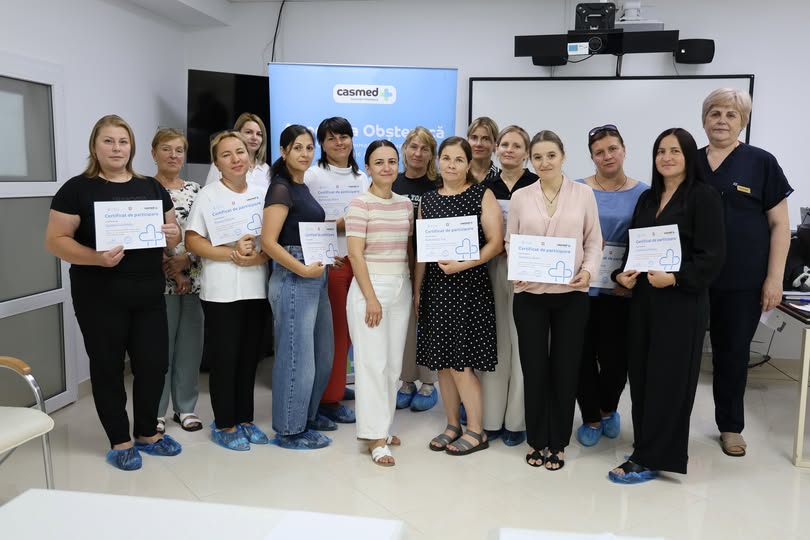
Drawing on its experience in developing and implementing vocational training programmes in home care, CASMED has continued to provide qualification opportunities for professionals working in the social care sector. In this context, 60 social care workers from 10 Territorial Social Assistance Agencies (ATAS) took part in the partial qualification (micro-qualification) course ‘Home Care Worker’.
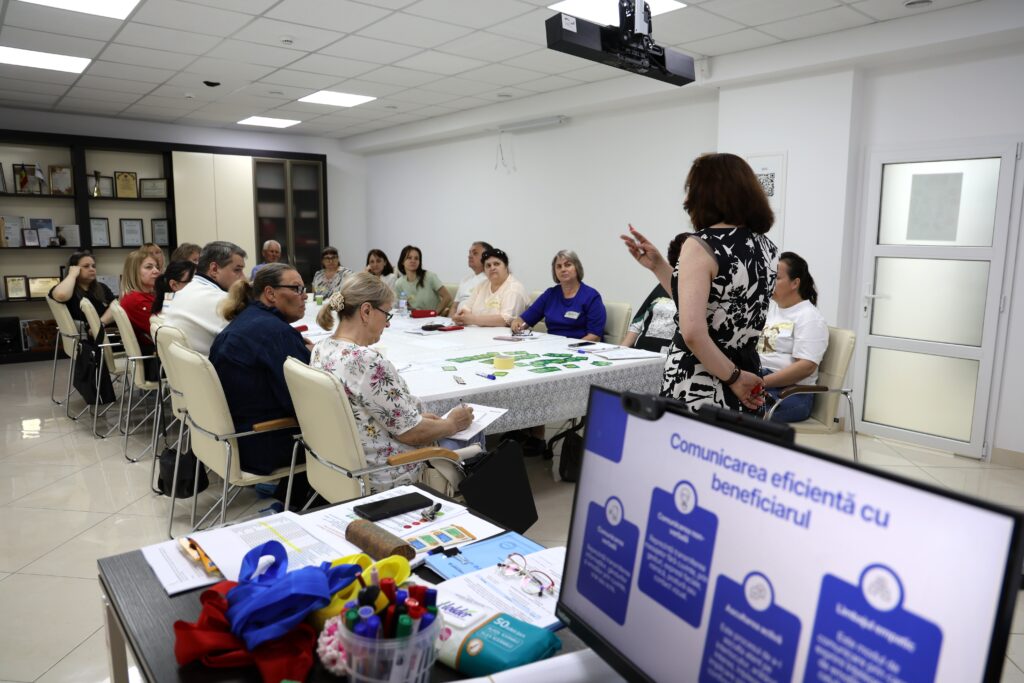
Over nearly four months, from 22 April to 10 August, participants completed an intensive blended learning programme, combining online theoretical classes with practical sessions delivered at three regional centres: Bălți, Cahul and Ialoveni.
The programme comprised 600 hours of study (20 credits) and covered topics directly related to participants’ day-to-day work: beneficiary care, hygiene, nutrition, first aid, safe mobility and transfers, occupational health and safety, communication, and the prevention of professional burnout.
Practical training – bridging the gap between theory and people’s real needs
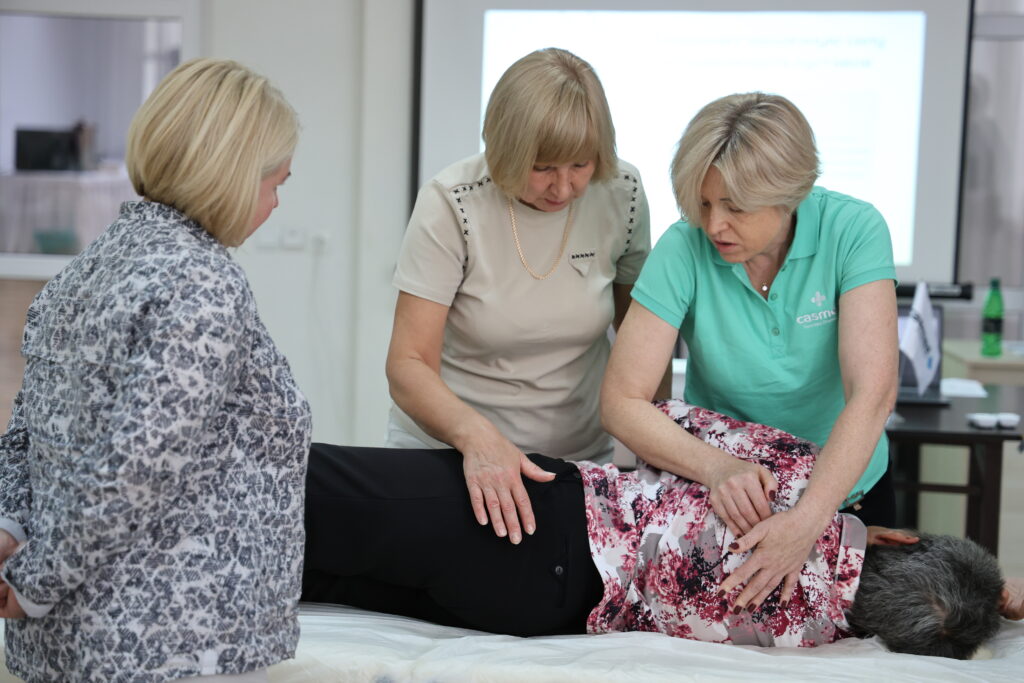
Particular emphasis was placed on practical workshops. Guided by experienced mentors, participants practised how to safely assist a person with reduced mobility, how to prevent pressure sores and how to respond promptly in a medical emergency.
‘I learned useful things that will help me in my work as a care worker. It was a valuable experience, and I now feel better prepared and more confident.’
— Victoria Lungu, social care worker, Bulboaca village, Anenii Noi district
Alongside medical and hygiene-related techniques, the course placed particular emphasis on an essential but often overlooked area: protecting the mental and physical health of social care workers. Care work involves considerable physical effort and a significant emotional burden, which is why learning how to manage stress provided participants with much-needed support.
‘This course is very useful for our day-to-day work – both for protecting ourselves professionally and for protecting our beneficiaries. We learned a great deal about communication, beneficiary hygiene and maintaining a clean home environment. Most importantly, I learned how to prevent professional burnout.’
— Cristina Cujba, social care worker, Molești village, Ialoveni district
A space for connection, learning and mutual support
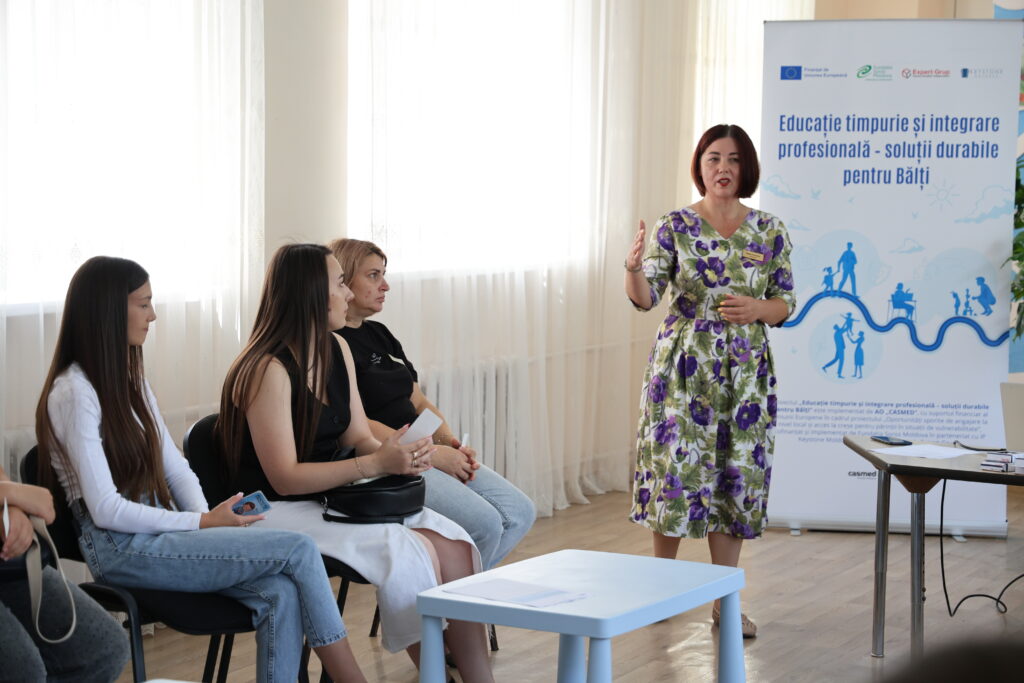
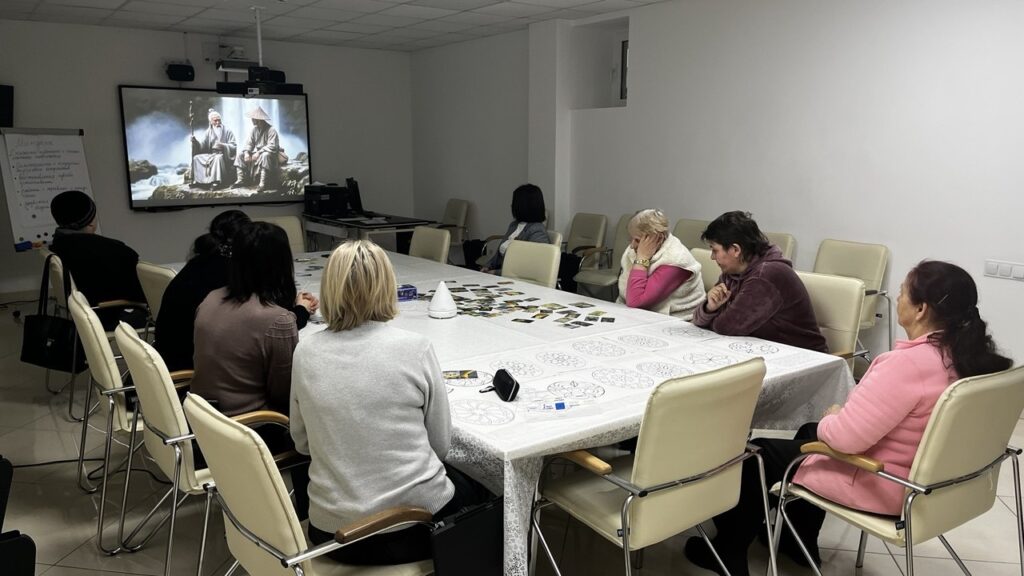
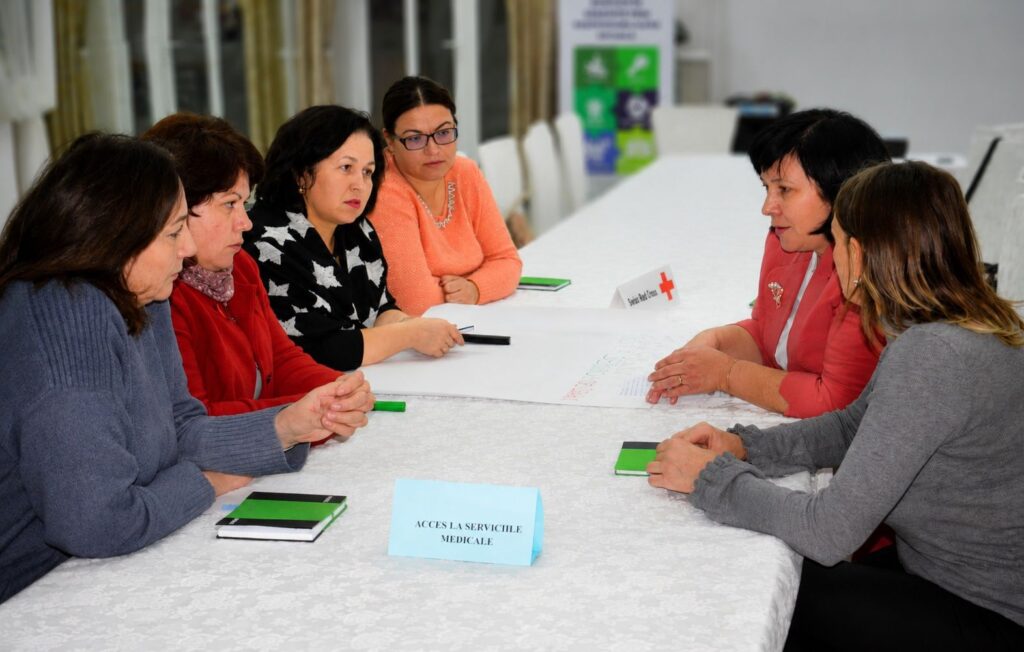
The training also created a valuable platform for exchanging experience. Participants discussed real-life cases, analysed the specific challenges they encounter in their work and explored solutions together with colleagues from other regions of the country.
‘A huge thank you to the CASMED team! We gained extensive knowledge that we will put into practice in our day-to-day work. The mentors were very supportive and generously shared their experience with us. During the course, we became friends and built strong relationships.’
— Rodica Braga, social care worker, Vălcineț village, Călărași district
‘The information was explained clearly, and the practical sessions helped me better understand how to apply what I had learned. I am leaving this course feeling more confident in my abilities.’
— Olga Gauga, social care worker, Cantemir
For CASMED, the continuous professional development of social care professionals is an essential pillar in building a national system of high-quality care. The knowledge gained by the 60 graduates does not remain in the classroom – it reaches directly into the homes of vulnerable people.
There, helping someone move without causing pain, paying closer attention to hygiene, offering a kind word or responding promptly at a critical moment can make the most important difference of all: giving people the opportunity to grow older with dignity, safety and respect, in their own homes.
The activities were carried out by CASMED in collaboration with the Ministry of Labour and Social Protection, within the project ‘SILVER – Strengthening Inclusive Long-Term Care through Vocational Education and Recognition’, implemented with financial support from Switzerland.