![casmed [logo] H color 1 (1)](https://casmed.md/wp-content/uploads/2025/06/casmed-logo-H-color-1-1.png)
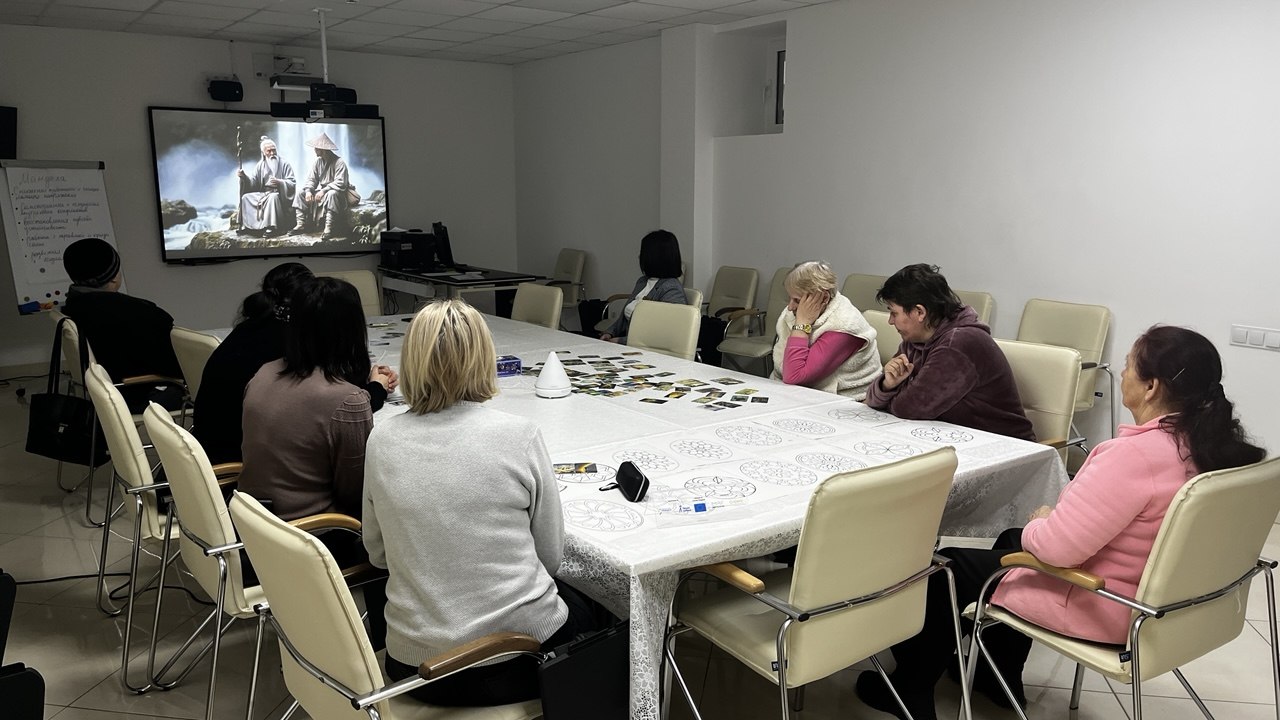
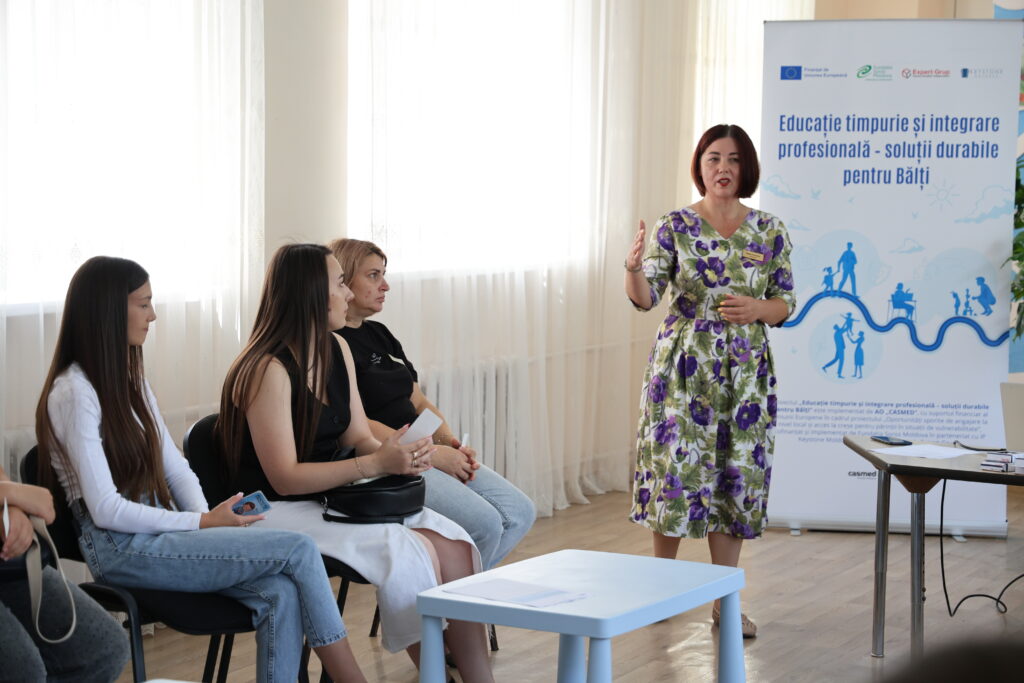
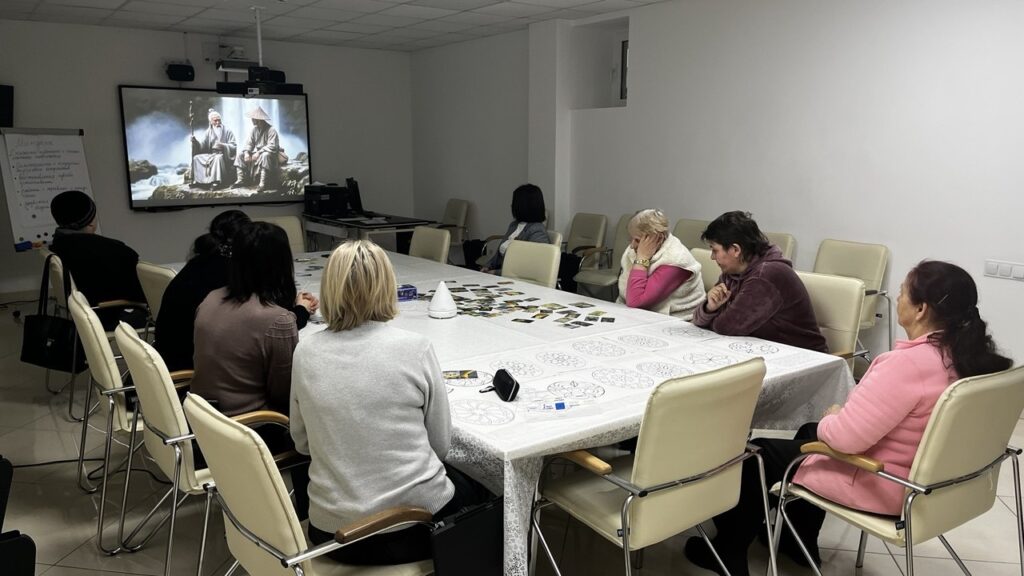
Every two weeks, people with something important in common meet at the CASMED Recovery Centre. Some care for elderly parents. Others look after a husband, wife, child or relative who can no longer manage on their own. Each person comes with a different story, but they all share the same need: to be listened to without being judged.
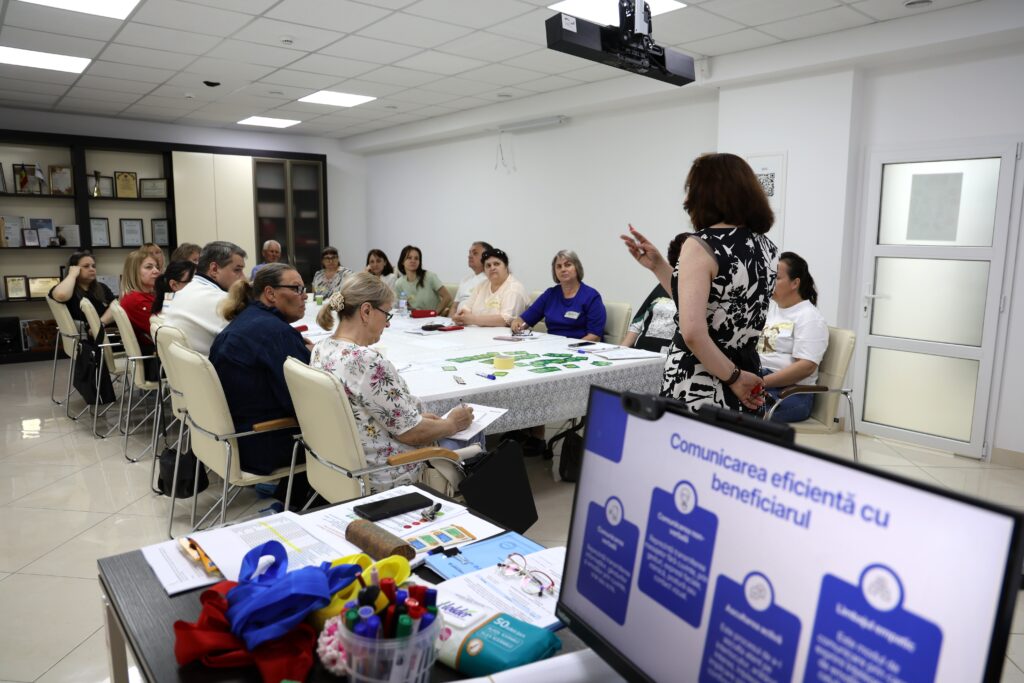
The sessions are led by psychologist Stela Creciun and were designed as a safe space for people who carry the daily responsibility of care. Participants talk about tiredness, guilt, fear, tension within the family and that difficult feeling to say out loud: that sometimes they simply cannot cope anymore.
For many, it is the first place where they can say things as they really are. Without long explanations. Without shame. Without the fear that someone will tell them they just need to be stronger.
When life starts to revolve around care
Vera is 66. She cares for her mother, who has chronic health problems, and for her husband, who lives with the consequences of a stroke.
Her day begins with simple things, but they become heavy when they are repeated again and again. Medication. Food. Hygiene. Supervision. A journey. A phone call. One worry that cannot be postponed. And then another.
Before coming to these sessions, Vera felt overwhelmed. She was going out less and less. She spoke less often with people outside her family. Time for herself felt almost impossible to justify. And whenever she tried to take a break, she felt guilty.
Many people who care for someone close to them know this guilt. It appears when they want to sleep a little longer, when they feel the need to leave the house, when they need a pause, or when they want to say, “I am tired”, but fear they will seem selfish or ungrateful.
During the sessions, Vera realised that other people were living with the same kind of tiredness, even if their stories were different. Some were caring for parents, others for spouses, children or relatives with complex needs. Each person had their own situation, but the sense of isolation was often the same.
Over the six sessions she attended, Vera learnt to recognise her emotions and name them. She practised conscious breathing, reflection and guided meditation. She spoke about boundaries, guilt and the right to ask for help.
The changes came gradually. She began to ask for support when she felt she could no longer do everything on her own. She gave her mother and husband more independence in the things they were still able to do. And, perhaps hardest of all, she began to make a little space for herself.
At the end of the programme, Vera said it had been “that space where I felt understood and accepted”.
Sometimes, this is where change begins: when a person no longer has to carry everything alone.
A mother and son who learnt to listen to each other differently
Ilona, 67, also came to these sessions. At first, she came alone. Later, she began coming with her son Andrei, 36, who needs constant supervision.
Their relationship was tense. His mother was trying to help, while her son would withdraw or react with irritation. There was care between them, but over time it had become covered by tiredness, frustration and many things left unsaid.
In families where someone needs daily support, communication can change almost without anyone noticing. A request can start to sound like criticism. Concern expressed too strongly can feel like pressure. An unspoken need can come out as irritation. Silence can create distance, even between people who love each other.
With the psychologist’s support, mother and son tried a different approach. They did breathing and grounding exercises. They worked on identifying emotions and expressing needs. They practised non-violent communication, learning how to say what they feel without attacking, and how to ask for what they need without hurting the other person.
The change came gradually. A calmer reaction. More attentive listening. The same thought, but expressed differently.
Ilona was able to guide her son more gently. Andrei began to express his feelings and needs more clearly. Misunderstandings became easier to manage, and their relationship became more patient.
For people who care for someone close to them, this is an important lesson: care is not only about what you do for the other person. It also matters how you speak, how you listen and how you keep your patience when tiredness makes you respond more sharply than you would like.
What happens when the person who cares is left alone
When someone provides care day after day, they risk constantly postponing their own life. A doctor’s appointment is postponed. Rest is postponed. Friends are postponed. Emotions are postponed.
At first, it seems like a solution. Later, the body and mind begin to ask for attention.
Irritation, conflict, sadness, sleep problems, physical pain and the feeling that there is no time left for anything else may appear. The person who cares begins to function out of duty, not strength.
This is the warning sign these sessions bring to light: when the person providing care becomes exhausted, they are not the only one who suffers. The whole family is affected.
That is why caring for oneself is not a luxury. It is part of care. A small pause can prevent an outburst. An honest conversation can prevent a breakdown. A boundary set at the right time can protect a relationship.
The World Health Organization recommends that people who care for others also look after their own health, stay connected with others, ask for support and use simple ways to reduce stress. The same message is reflected in the WHO iSupport programme, which includes a module dedicated to caring for the carer.
These sessions do not solve every problem in a family. They cannot replace social services, financial support or respite care. But they can offer something essential: a place where the person who provides care is seen, and where they can say that things are difficult.
A place where they can listen to someone going through something similar.
A place where they come to understand that asking for support does not mean giving up. It means finding a healthier way to continue.
What remains after these meetings
After the group sessions, life does not suddenly become easy. Vera’s mother still has her needs. Her husband still lives with the consequences of illness. Ilona’s son still needs supervision. The home, the routine, the responsibilities all remain.
But something changes in the person who provides care.
They begin to understand that setting a boundary does not mean a lack of love. That taking a break is not abandonment. That allowing the person they care for to do what they can still do on their own is also a form of care. That a calmer conversation can change the whole day.
Most importantly, they understand that support should not be sought only when there is nothing left to give.
Behind every person who needs care, there is often another person: someone who lifts, feeds, washes, listens, comforts, watches over them and looks for solutions every day.
And when we support the person who provides care, we are in fact supporting the whole family.
This material was produced with the financial support of the European Union, contracted by ICMPD through the Migration Partnership Facility. Its content is the sole responsibility of CASMED Public Association and does not necessarily reflect the views of the European Union.