![casmed [logo] H color 1 (1)](https://casmed.md/wp-content/uploads/2025/06/casmed-logo-H-color-1-1.png)
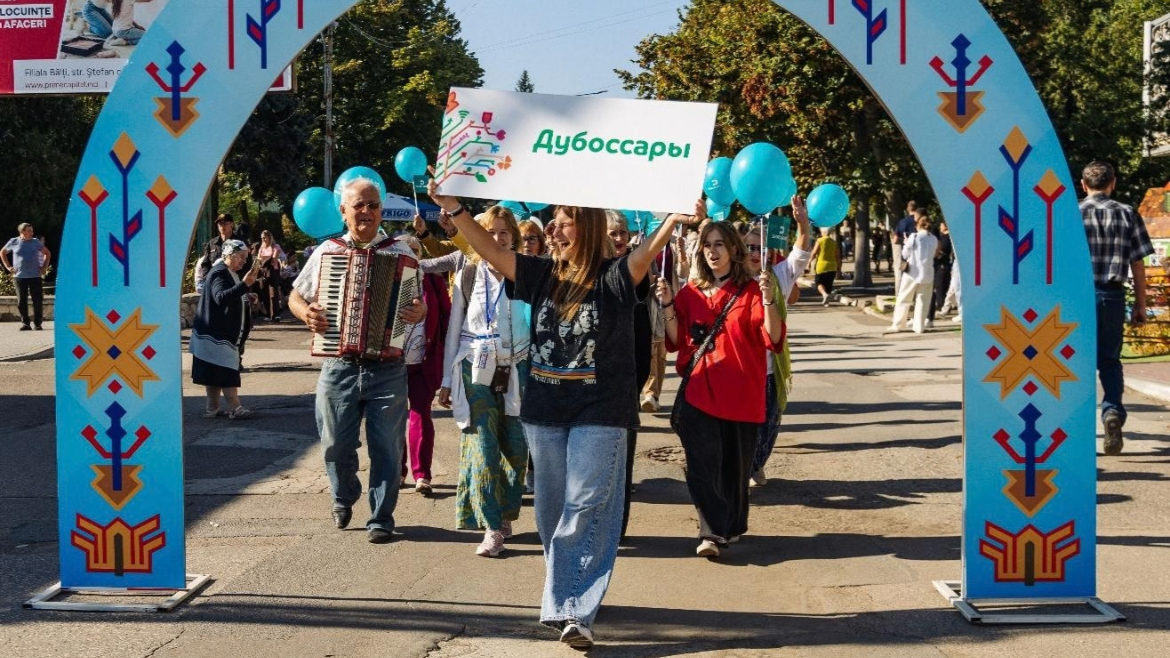
At a festival celebrating grandparents, you might expect older people to be at the center of attention. And they were. But this time, young people stood alongside them.
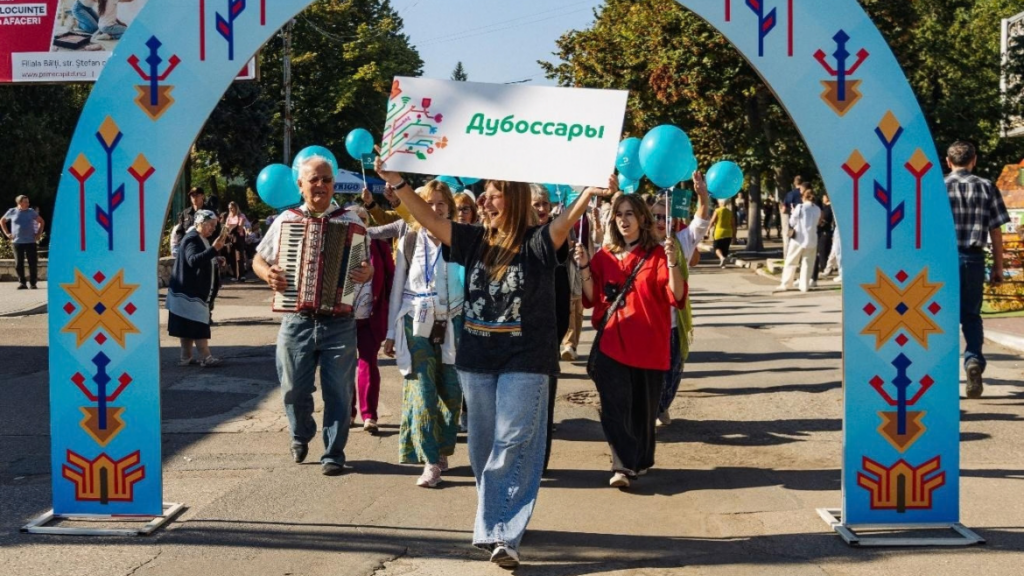
The 2026 edition of the “Bunica și Bunelul FEST” brought together five intergenerational groups from Pelivan, Ocnița, Dondușeni, Rîbnița, Tiraspol, and Dubăsari. Young people and seniors who, over the past few months, had met in their communities, worked together, and discovered that a difference in age does not necessarily mean a distance between people.
Some came with handmade jewelry and crafts, others prepared workshops or took to the stage with a theatre performance. But beyond all these activities, what mattered most was that young and older people talked, shared experiences, and created memories together.
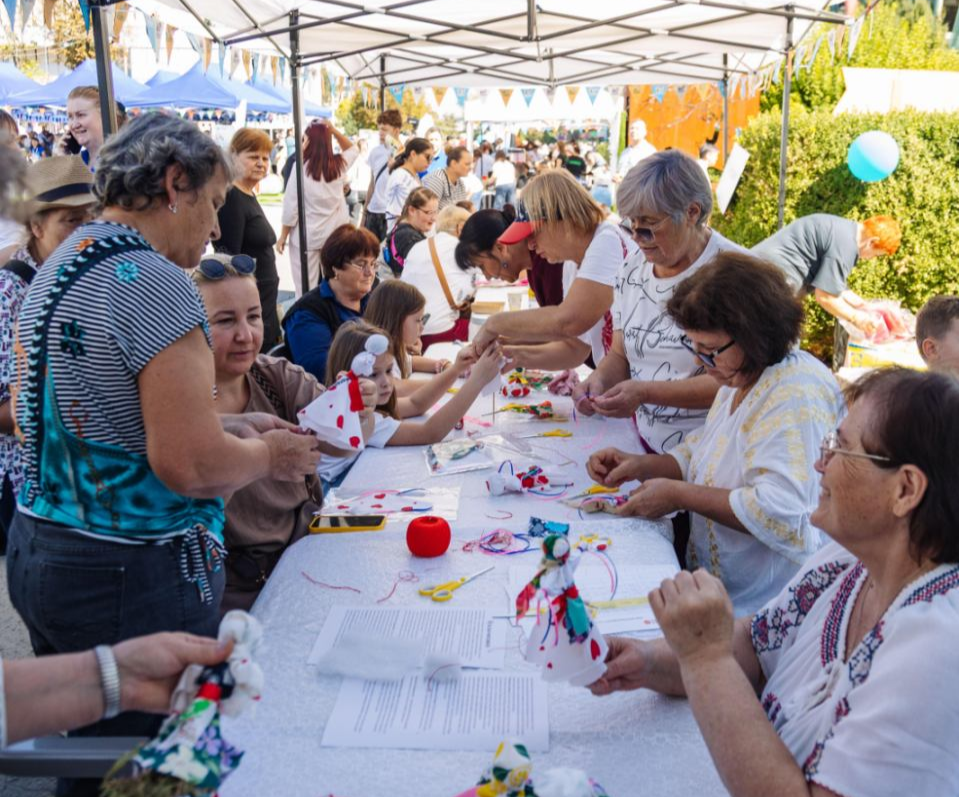
For the Intergenerational Group from Dubăsari, the festival was also an opportunity to move from being participants to becoming workshop hosts. Last year, the group came as guests and spectators. This year, they returned with a workshop of their own, teaching participants how to make traditional Ukrainian motanka dolls – handmade dolls created from textile yarn, strips of fabric, and thread, without sewing and, traditionally, without facial features.
They prepared materials for two doll designs, and more than 20 participants went home with dolls they had made themselves.
Children as young as four took part in the workshop, as did people with special needs. For 66-year-old Elena Stepanova, the experience showed just how much can be achieved through collaboration.
“Through this shared activity, which was not easy at all, they truly became a team,” Elena says.
When things became more difficult, the group members supported one another, each trying to contribute and help in whatever way they could. “I felt the cohesion and a very well-coordinated team effort.”
From one edition to the next, their role has changed: last year they came to discover and learn, while this year they returned to teach others.
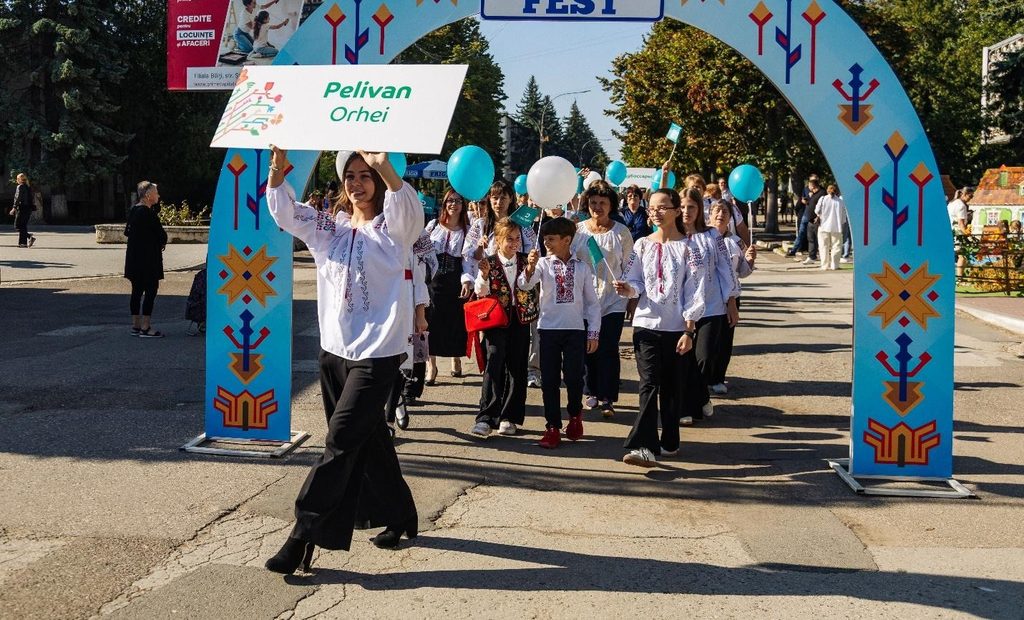
For the Intergenerational Group from Pelivan, the festival was an opportunity to turn the skills and crafts of its members into an experience they could share with others. They organized two workshops – one on making earrings and another on creating flowers from satin – where visitors could learn, work alongside the group members, and leave with their own handmade creations.
Nadejda, 69, guided participants through both workshops. “There were many people who wanted to learn. They left happy, carrying little baskets of roses or even wearing the earrings they had made,” she says.
The festival also gave them a chance to meet seniors from other communities. For Tamara Colun, meeting participants from Dondușeni and dancing the hora together were among the moments that stayed with her.
And the experience did not end with the festival. Nadejda told her relatives and friends about everything she had experienced and invited them to join the “Suflet în Acțiune” group.
While the festival was about sharing skills and crafts with others for the Pelivan group, in Dondușeni the focus was on a connection that already existed: the one between seniors and young people. The festival gave them an opportunity to bring that collaboration into a new setting and work side by side with people from other communities.
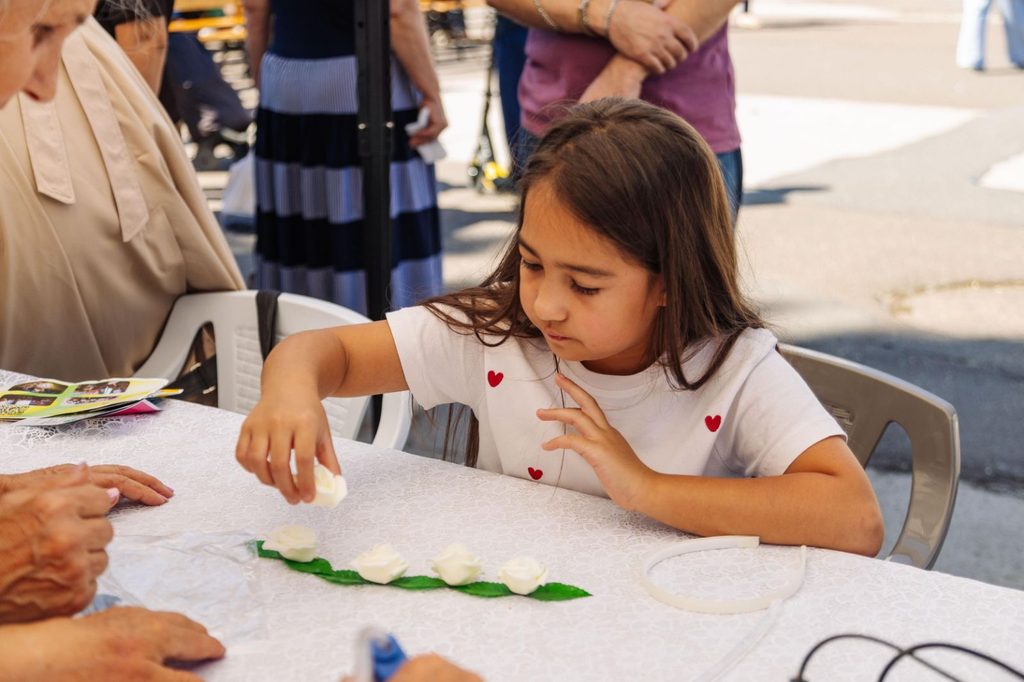
At the two workshops prepared by the group – one focused on making felt objects and the other on creating flower crowns – different generations came together around the worktables. Seniors brought their experience and practical skills, while young people brought ideas, curiosity, and energy.
For 70-year-old Elena Iurco, one of the joys of the festival was precisely the opportunity to pass on what she knows.
“At the festival, I felt free, fulfilled, and valued. I took part in the workshops, met wonderful children, and had the opportunity to teach someone how to make useful things.”
Gabriela Gojan, an 11th-grade student, experienced the festival from the other side. For her, it was “a beautiful experience, full of emotions, dear people, and moments” that she will remember fondly.
For 72-year-old Elena Arhireu, meeting new people and being actively involved alongside others were among the things that made the experience memorable: “I gave and received the energy I needed to keep going, and I left satisfied! I met new people! We were involved, and that was a good thing!”
And so, somewhere between a flower crown, a piece of felt, and a conversation, the festival became yet another space for the Dondușeni group to learn from one another across generations.
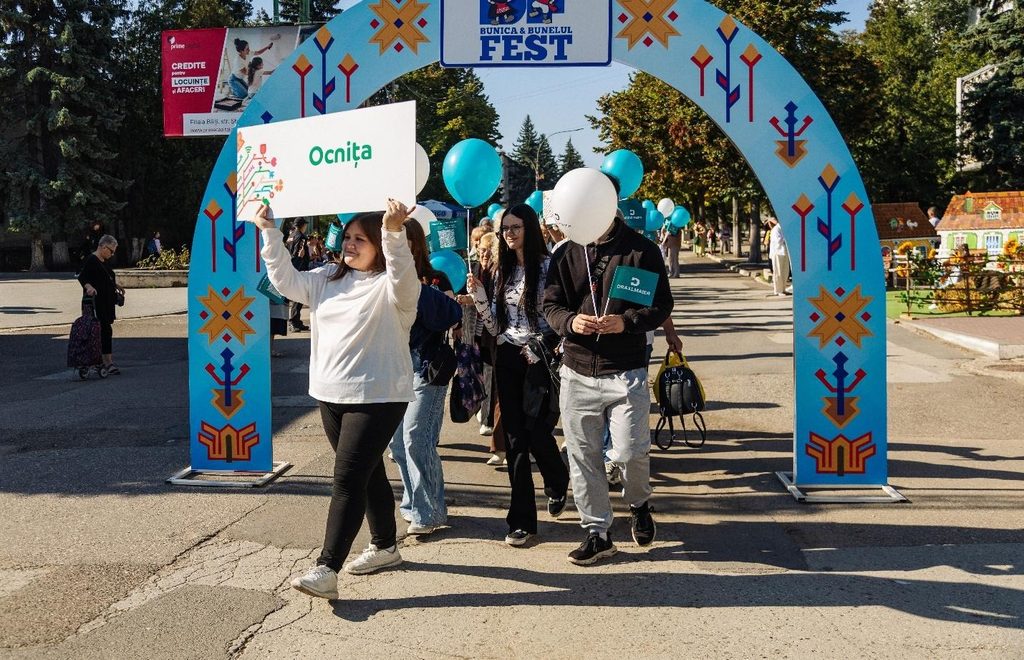
For the Intergenerational Group from Ocnița, taking part in the festival was, above all, an opportunity to step outside their own community and see what other groups were doing. Meeting seniors and young people from different localities allowed them to exchange ideas, talk about their own activities, and discover experiences they could adapt and bring back home.
For the group members, every encounter with another community is an opportunity to learn something new: “We see what others are doing, talk about our experiences, and go home with ideas we want to try ourselves.”
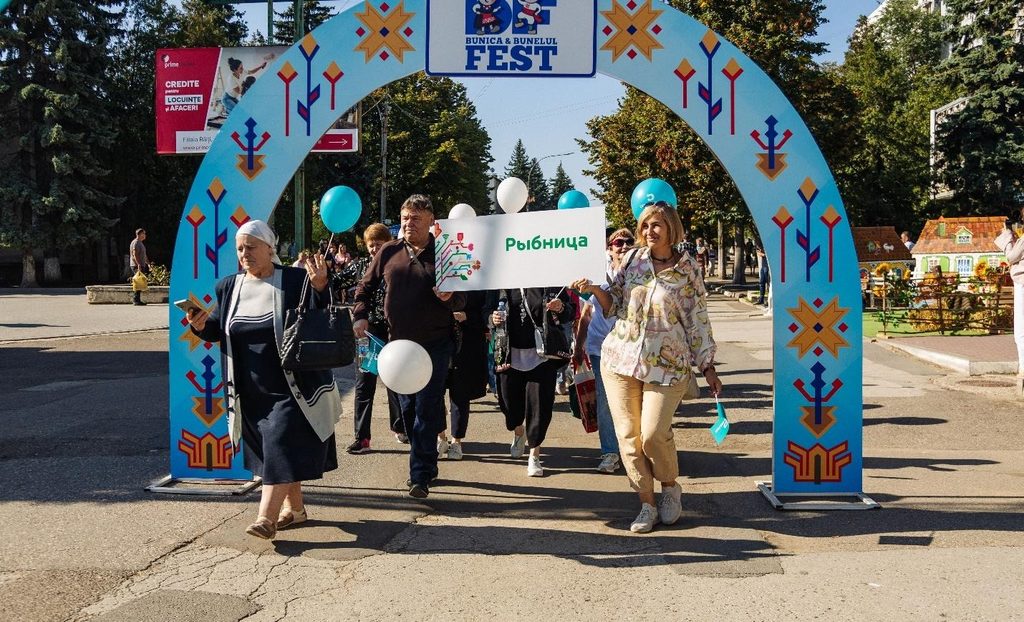
The story of the Intergenerational Group from Rîbnița perhaps shows best where this dialogue can lead when people choose to build something together. On the festival stage, young people and seniors shared not only roles in a theatre performance, but also a common experience built through time, patience, and collaboration.
From handmade objects created together to the performance presented before the community, every activity created a space where generations could meet naturally. And what begins with a shared activity can, over time, grow into a relationship built on trust, respect, and the feeling that everyone has something to contribute.
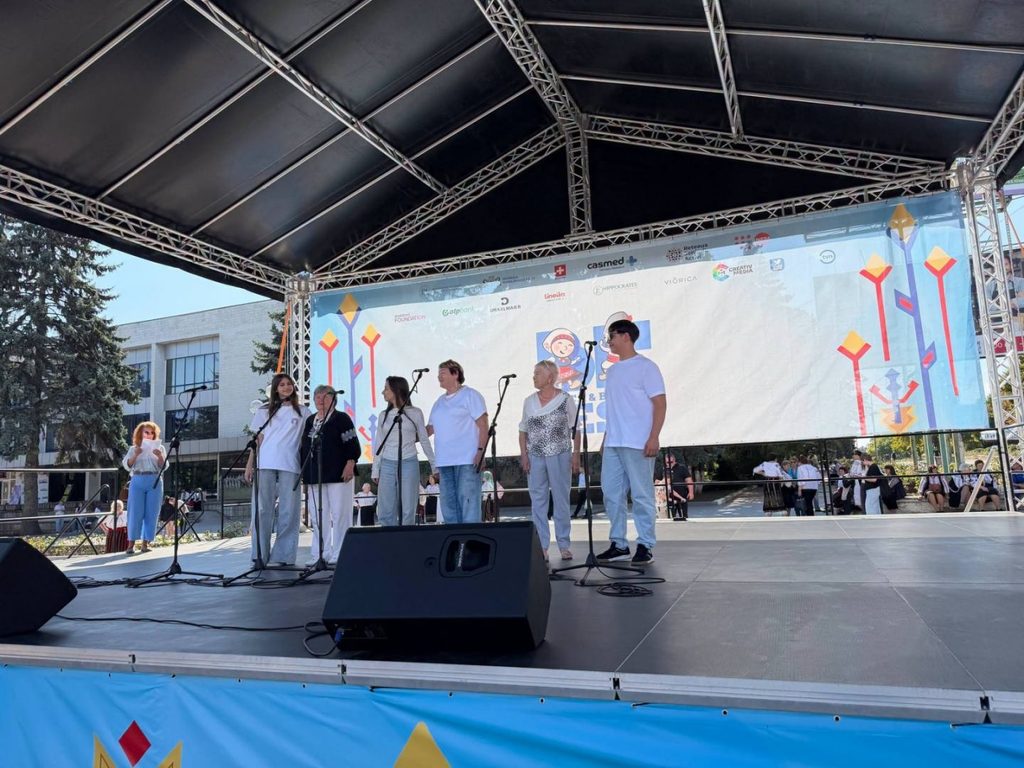
For the Intergenerational Group from Tiraspol, taking part in the 2026 “Bunica și Bunelul FEST” was a first. Although the group members already knew the participants from the other communities, the festival gave them an opportunity to meet again, this time in a space dedicated to intergenerational dialogue.
They spent time together, watched the activities prepared by the other groups, exchanged impressions, and shared experiences. For the Tiraspol group, the gathering was also an opportunity to see more closely what their fellow participants had prepared and draw inspiration from their activities.
Their first participation in the festival thus added a new experience to the group’s journey: a day when the relationships participants had already built found a new setting in which to grow through conversations, shared activities, and time spent together.
Ultimately, this is what intergenerational groups are about: building bridges where differences in age can sometimes seem like barriers. Because when people have the opportunity to meet, listen to one another, and work together, generations are no longer separate worlds, but part of the same community.
The 9th edition of the “Bunica și Bunelul FEST” was organized by the Balti City Hall, AO “CASMED,” and the Active Seniors Network of Moldova, in partnership with the Ministry of Culture of the Republic of Moldova, the Swiss Cooperation Office, and UNFPA Moldova.
The participation of the Intergenerational Groups in the “Bunica și Bunelul FEST” was made possible through the project “Strengthening Social Cohesion in Moldova through Dialogue and Community Empowerment, Phase 2,” implemented by the United Nations Population Fund (UNFPA) in partnership with AO “CASMED” and AO “Nonviolent Communication,” with financial support from Switzerland.