![casmed [logo] H color 1 (1)](https://casmed.md/wp-content/uploads/2025/06/casmed-logo-H-color-1-1.png)
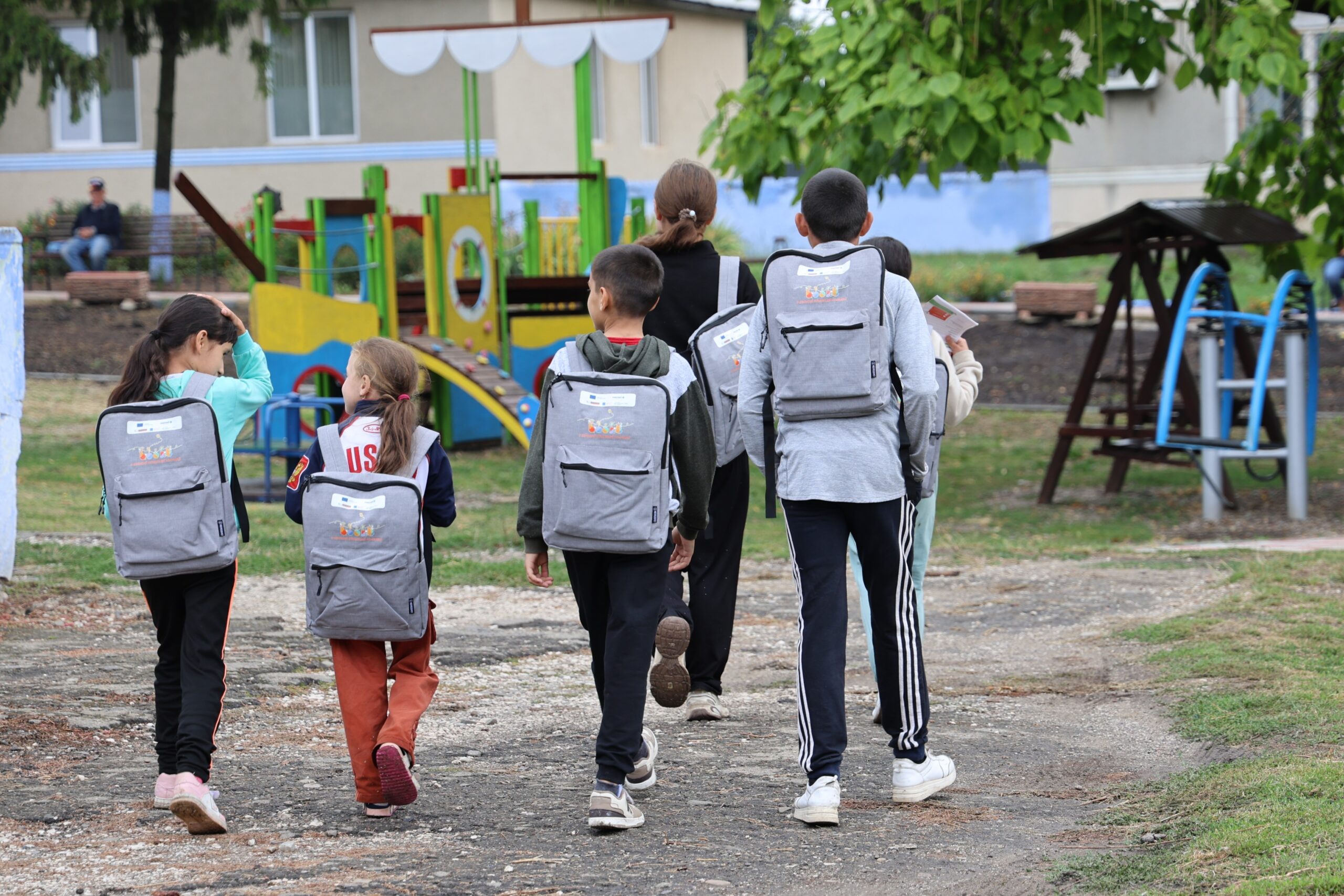
It can be a place where a child keeps their notebooks, pencils, a pair of scissors they have wanted for a long time, or a few sweets hidden in a small pocket. It can be something they proudly carry on their back on the way to school. Or it can mark the beginning of a new experience in which a child feels seen, heard and encouraged.
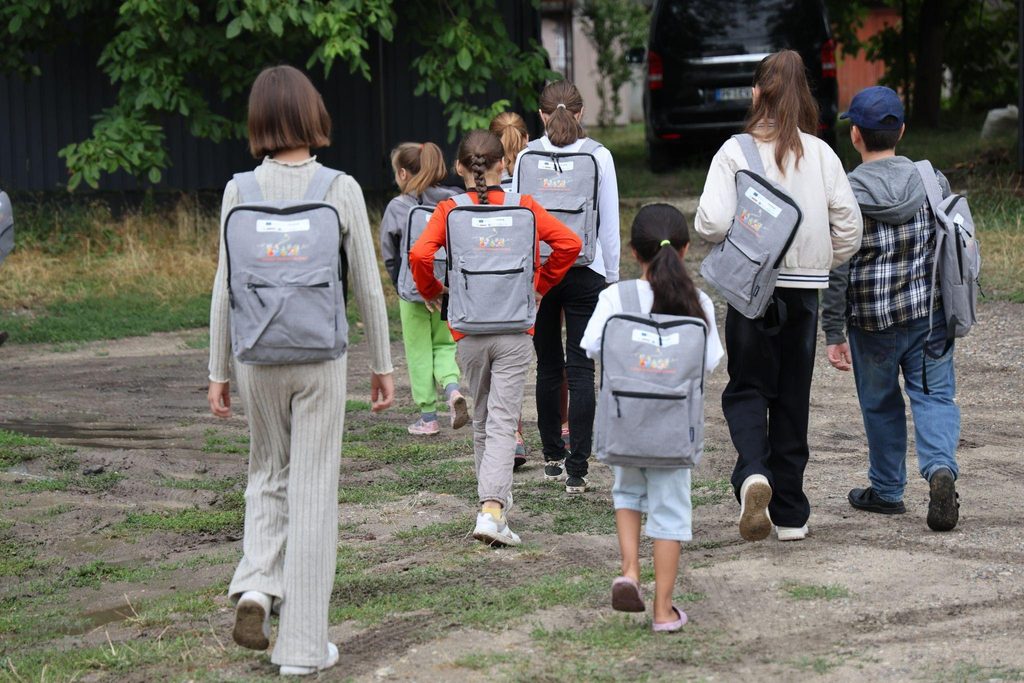
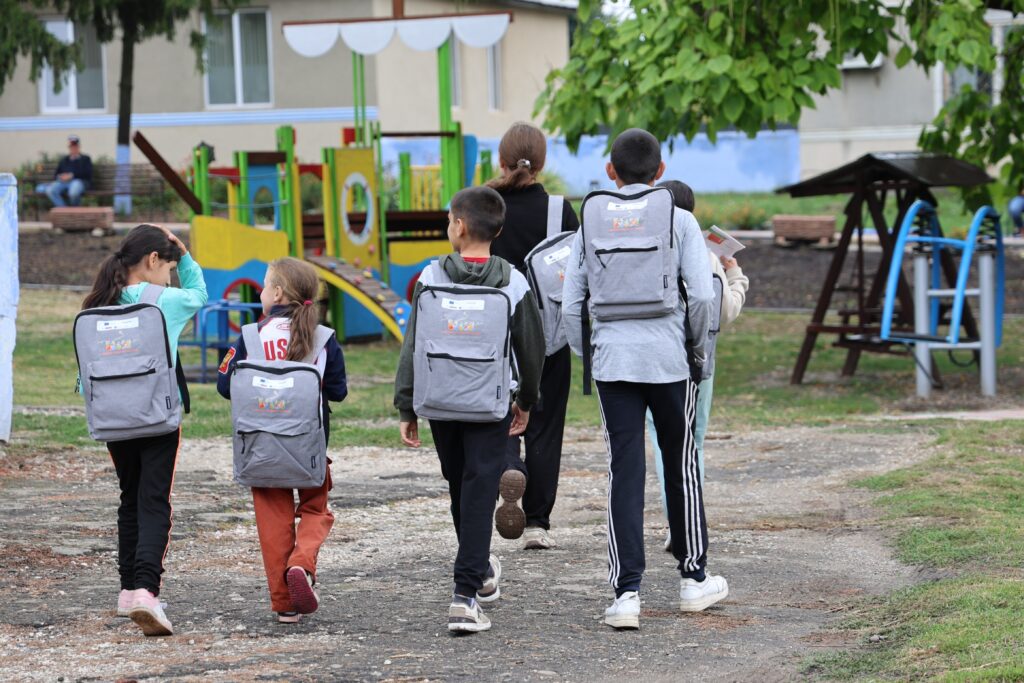
For 90 children from Ocnița and Criuleni districts, the backpacks filled with school supplies received as part of the “ARIPI – Empowerment for Resilience, Inclusion, Parenting and Learning” project mean more than support for school. They mark the beginning of the monthly “Safe Heroes” clubs, which will be organised in the children’s own communities from the end of September.
In Ocnița district, backpacks were distributed to 15 children in each of three communities: Ocnița commune, Grinăuți village and Bîrnova village. Another 45 backpacks were distributed to children in three communities in Criuleni district. In total, 90 children received materials they will be able to use at school, at home and during the activities ahead.
The children did not wait long. They opened their backpacks on the spot, checked the pockets, took out the supplies one by one and quickly chose their favourite items. Some immediately put their backpacks on. Others began deciding what they would keep in each compartment.
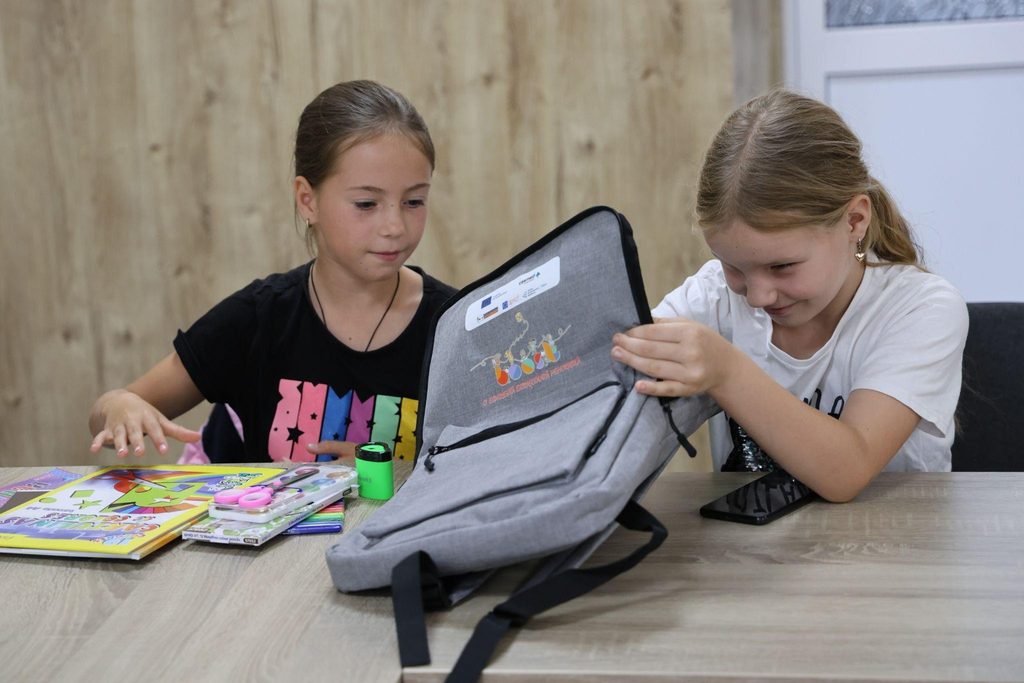
“When they gave me the backpack, I put it straight on my back. I can take it to school too,” said Arina.
For Sergiu, the biggest delight was a pair of scissors: “I liked the scissors most. I’ve wanted a pair for a long time so I can cut paper.”
Romina had been expecting something else and admitted it with a child’s honesty: “I wanted to see what was inside the backpack. I thought there was a doll in there.”
Andreea chose the front pocket for her pencils. Nichita already knows what he will keep in the small one: “I’m going to put my sweets in the little pocket.”
Anastasia immediately thought about what she would draw: “I’m going to draw a house and my family with the felt-tip pens.” Matei saw things simply and practically: “It’s big. Lots of things can fit inside.”
These short answers capture the children’s joy. To an adult, a backpack may seem like just an everyday object. To a child, it can be something of their very own, something to be proud of, and a promise that something exciting lies ahead.
From the end of September, the children will take part in monthly after-school activities through the “Safe Heroes” clubs. Each community will host 10 interactive sessions over five months, with each session lasting approximately two and a half hours. This means that every child will benefit from 25 hours of activities, while across the six communities the clubs will provide more than 250 hours of direct work with children.
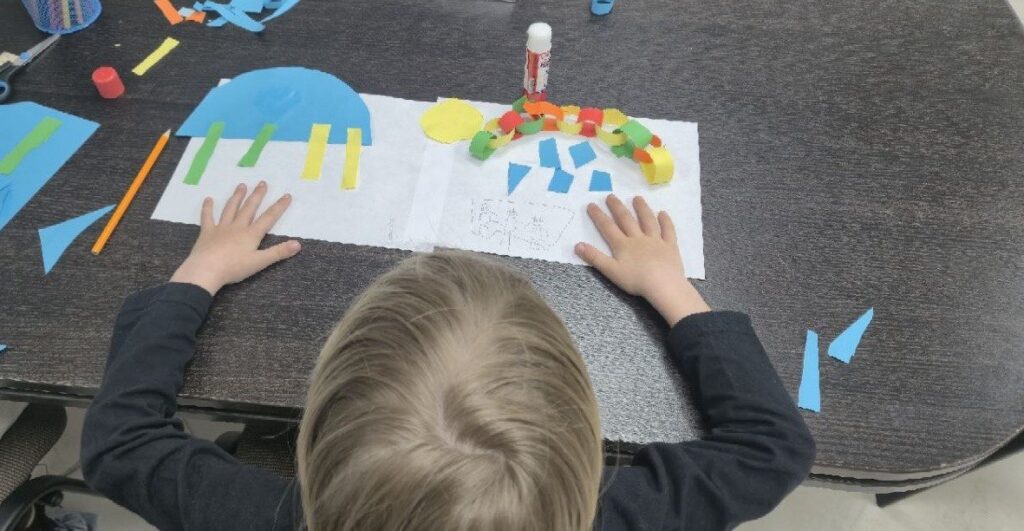
But these meetings will not be like ordinary lessons. The children will not simply sit at their desks and listen. They will draw, work in teams, take part in role-playing activities, ask questions, look for solutions and learn through simple exercises connected to their everyday lives.
They will discuss situations they may encounter at home, at school or in their communities: bullying, fires, earthquakes, accidents at home, conflicts, difficult emotions and moments when they need to ask for help. They will learn how to recognise danger, talk about their feelings, communicate without violence and develop simple safety rules for themselves and their families.
For a child, feeling safe is not only about knowing what to do in an emergency. It also means having the courage to say when they are afraid. Knowing whom they can turn to for help. Understanding that their emotions matter. Feeling that their voice is heard.
The activities will be facilitated by psychologists and teachers trained as part of the project, who will work in mixed teams. Each meeting will therefore combine emotional support, educational methods and practical exercises. Parents will be invited to every third meeting so that the topics discussed with the children can also be continued at home.
In this way, a backpack received at the beginning of the journey becomes much more than a gift. It becomes part of an experience in which children learn to pay greater attention to themselves, to those around them and to the world they live in.
For some, it all began with the excitement of unzipping the backpack. For others, with a pair of scissors, a box of felt-tip pens or a pocket for sweets. Over the coming months, the backpacks will hold other things too: drawings, exercises, safety rules, ideas discussed together and small achievements that the children will take home with them.
Perhaps a backpack cannot hold everything a child dreams of. But it can hold the beginning of a journey in which a child learns that they matter, that they can ask questions, that they can make mistakes, try again and know that they are not alone.
And for the 90 children from Ocnița and Criuleni, this is the most important thing they will carry with them: not only school supplies, but the confidence that their voice matters.
The “ARIPI – Empowerment for Resilience, Inclusion, Parenting and Learning” initiative is implemented by AO “CASMED”, in partnership with AO “Fiecare Contribuie pentru Schimbare”, as part of the “BOOST: A Memorable After-School Experience” project. The BOOST project is funded by the European Union and implemented by Terre des hommes Moldova Foundation, in partnership with APSCF and Junior Achievement Moldova.