![casmed [logo] H color 1 (1)](https://casmed.md/wp-content/uploads/2025/06/casmed-logo-H-color-1-1.png)
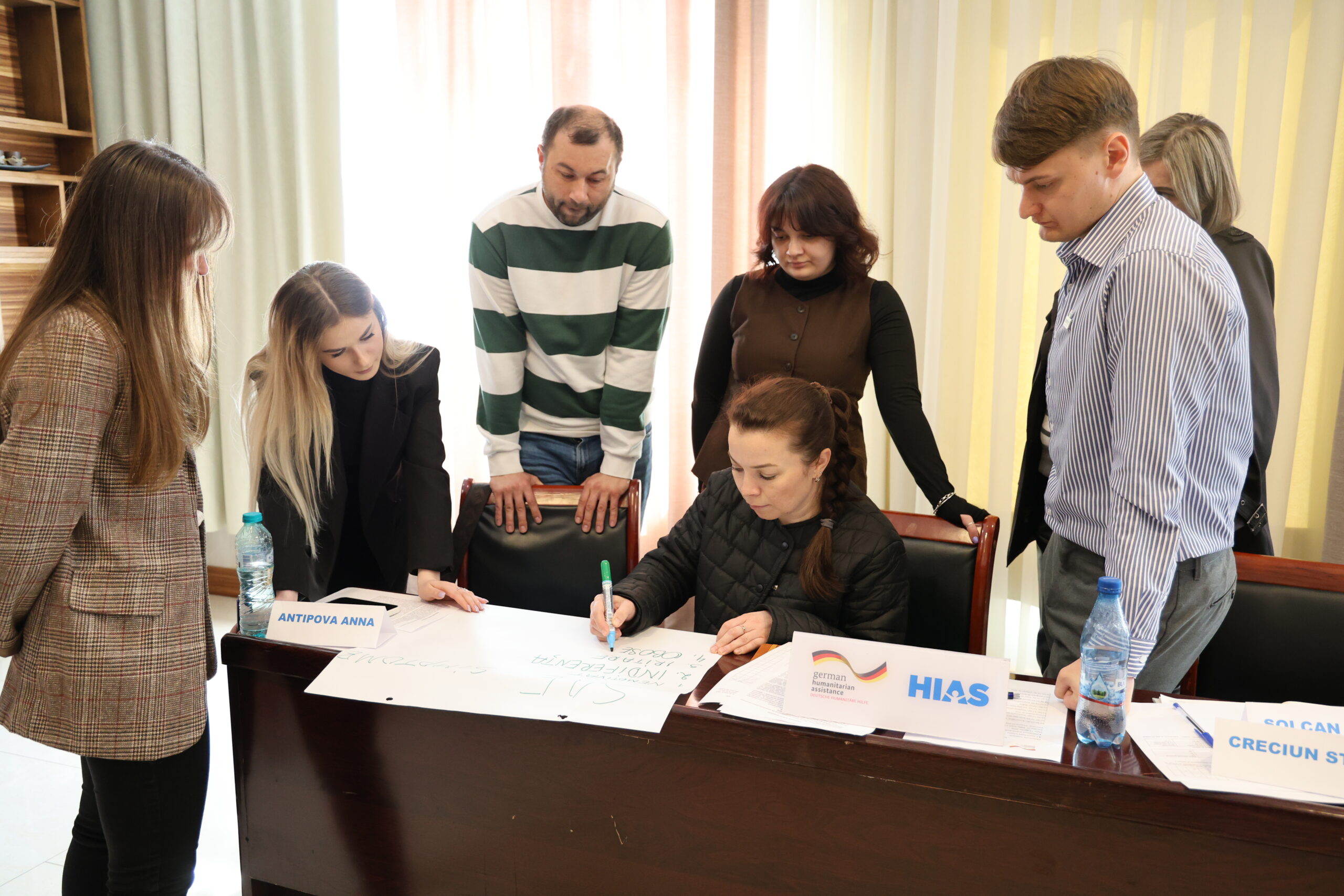
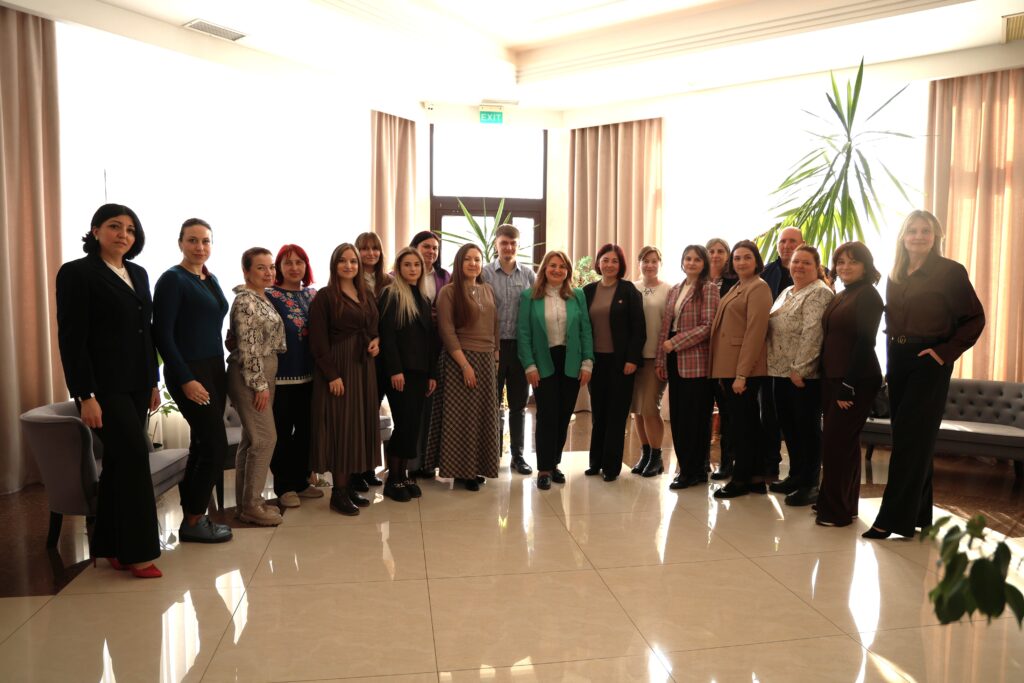
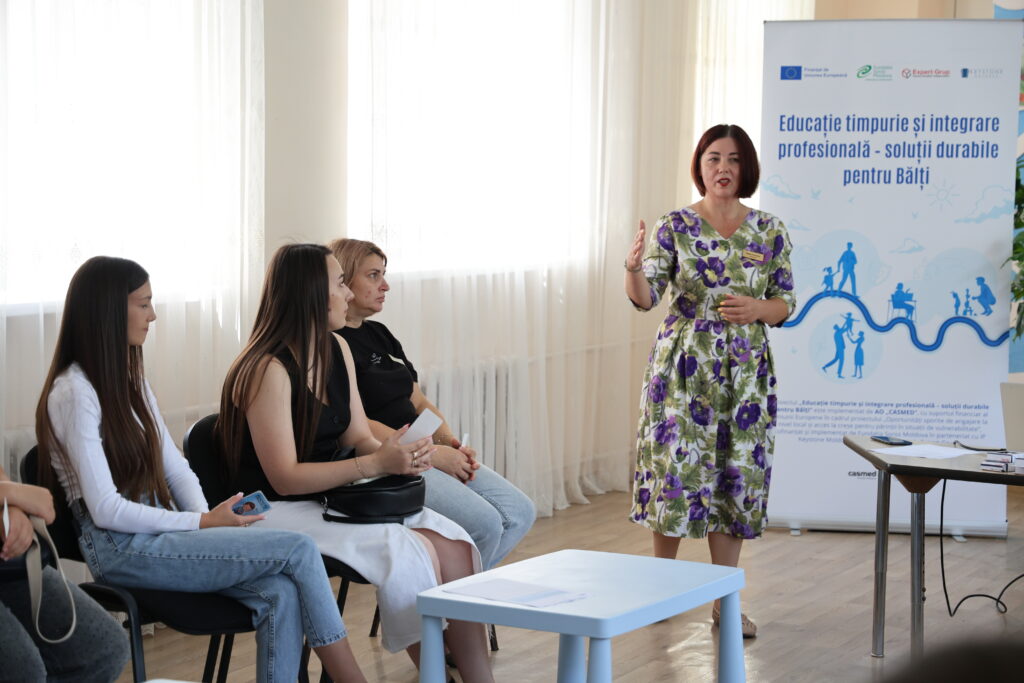
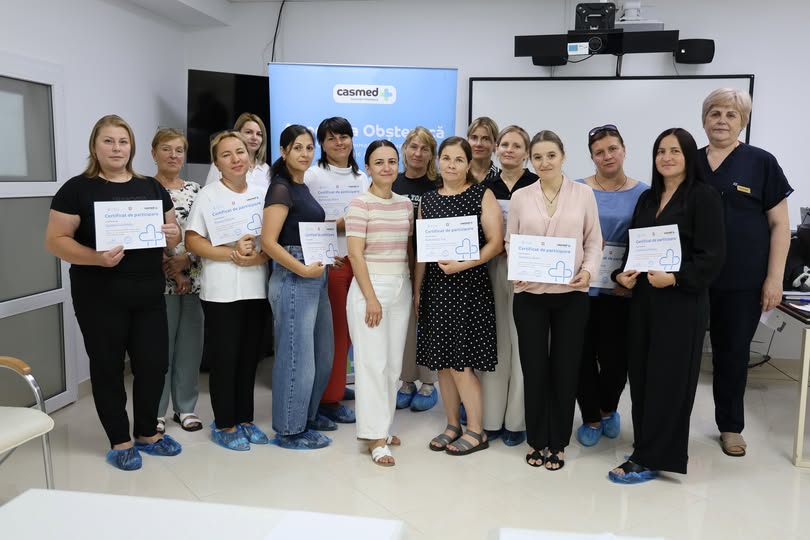
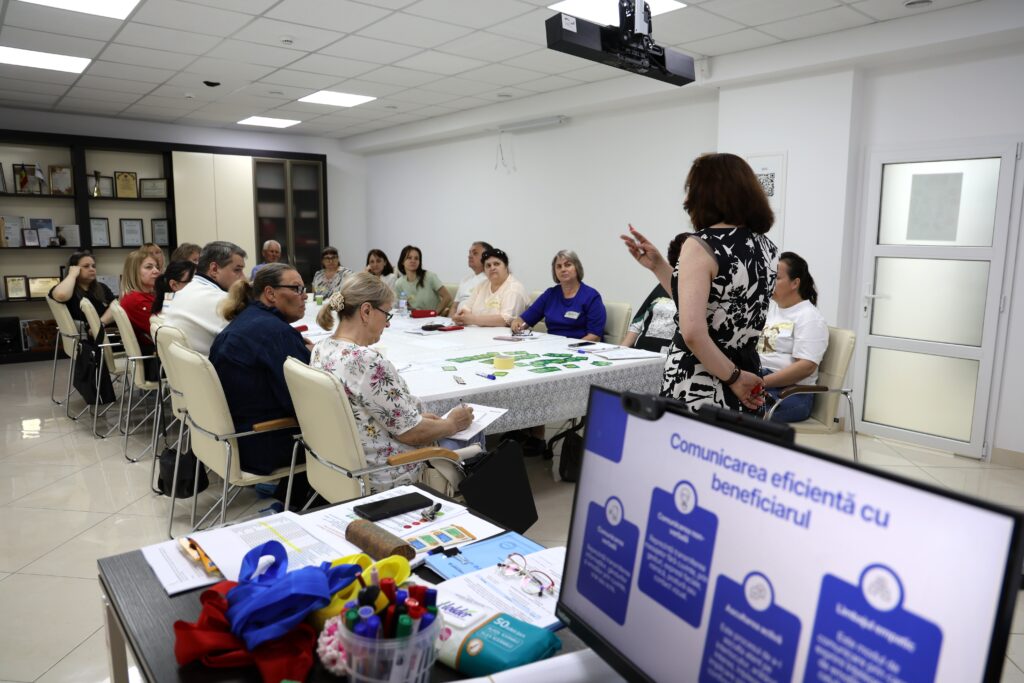
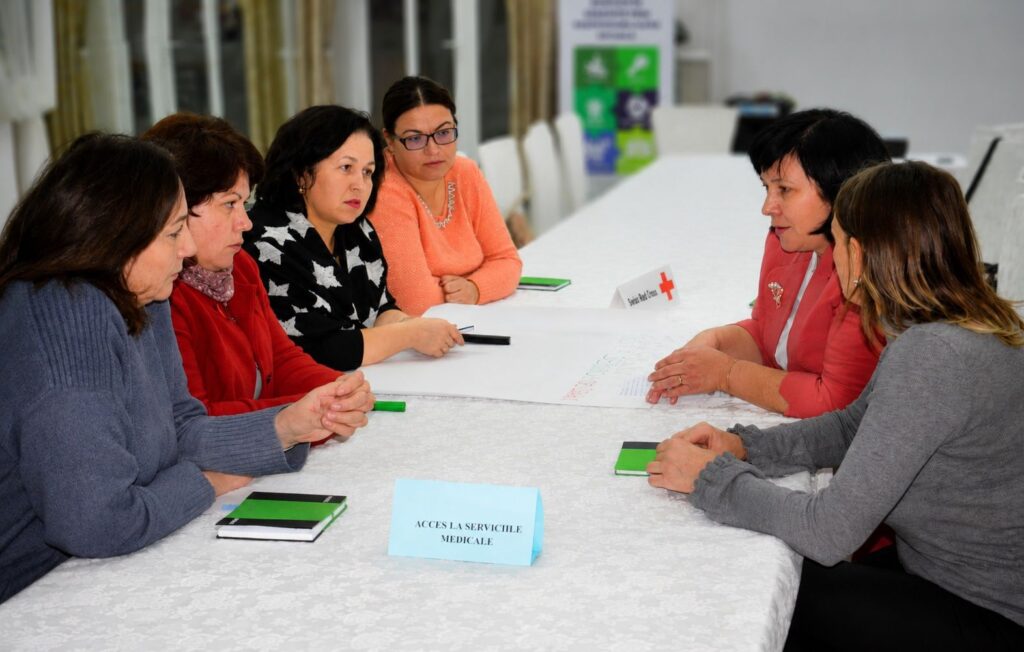
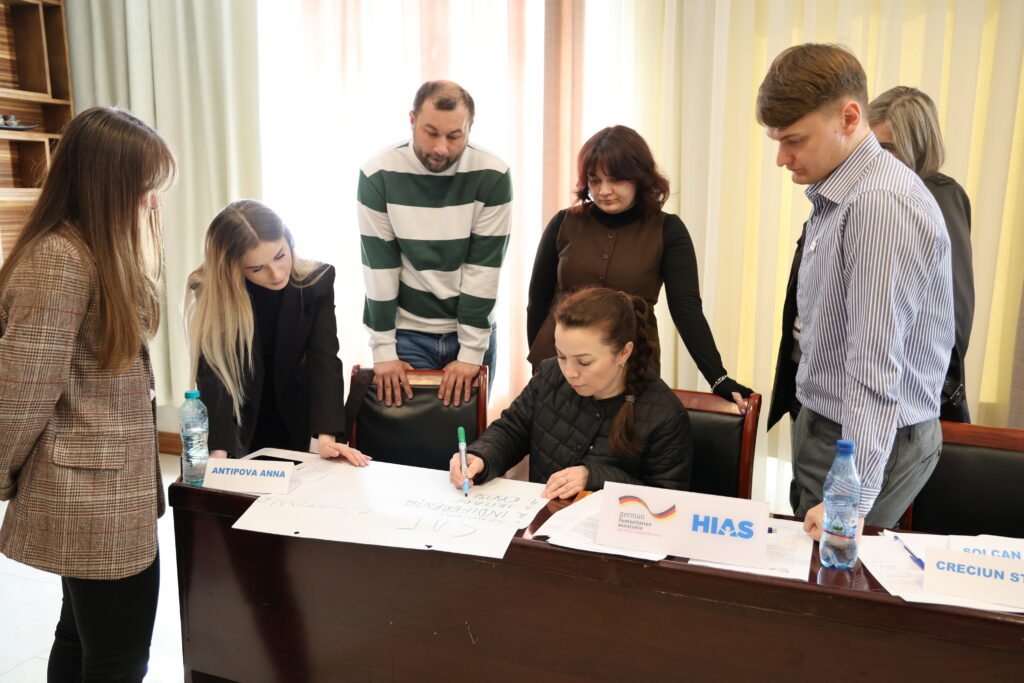
Bălți, 15 April 2026 – Twenty-five specialists from the fields of education, social assistance, and psychology took part in a training session on the prevention of occupational burnout, organised by “CASMED” NGO. The session aimed to raise awareness of burnout and to equip professionals working directly with people with practical tools for managing stress.
This initiative comes in response to a growing trend: an increasing number of professionals in the social and human services sectors are experiencing emotional exhaustion, constant pressure, and difficulties in maintaining a healthy balance between their professional and personal lives.
Occupational burnout is a state of physical, mental and emotional exhaustion that arises when personal resources are no longer sufficient to meet professional demands.
According to psychologist Victoria Gonța, who facilitated the session, burnout results from a combination of personal, social and organisational factors. “At an individual level, burnout leads to exhaustion and reduced productivity, while at an organisational level, it contributes to decreased performance and growing dissatisfaction within teams. Preventing burnout requires both personal responsibility and a supportive work environment that fosters balance and collaboration,” she noted.
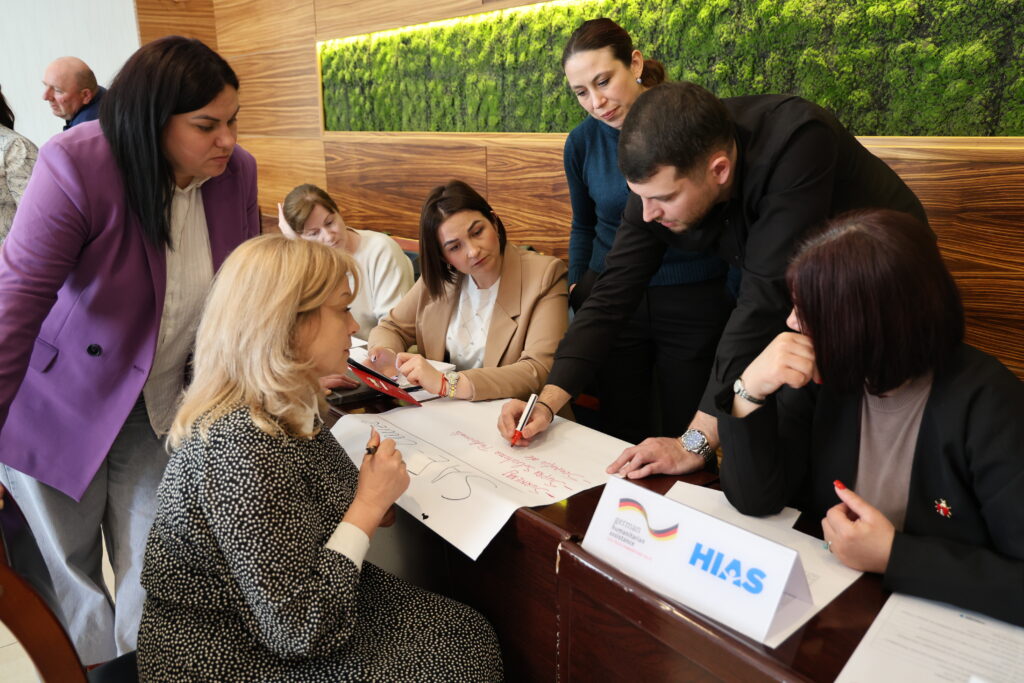
The participants – educators, teachers, social workers and psychologists – are professionals who, by the nature of their work, continuously support others, manage emotions and navigate complex situations. This level of involvement makes them particularly vulnerable to burnout.
For social workers, who work closely with individuals in vulnerable situations, understanding burnout is essential in order to continue providing support without compromising their own well-being.
“As professionals, we often face burnout but tend to overlook it. However, as highlighted during this session, it is a critical issue. To cope effectively, we need to be prepared, properly trained and focused on prevention. Understanding the causes and triggers is key to reducing our exposure to this risk,” said Doina Cheptea, social worker at “CERI Moldova”.
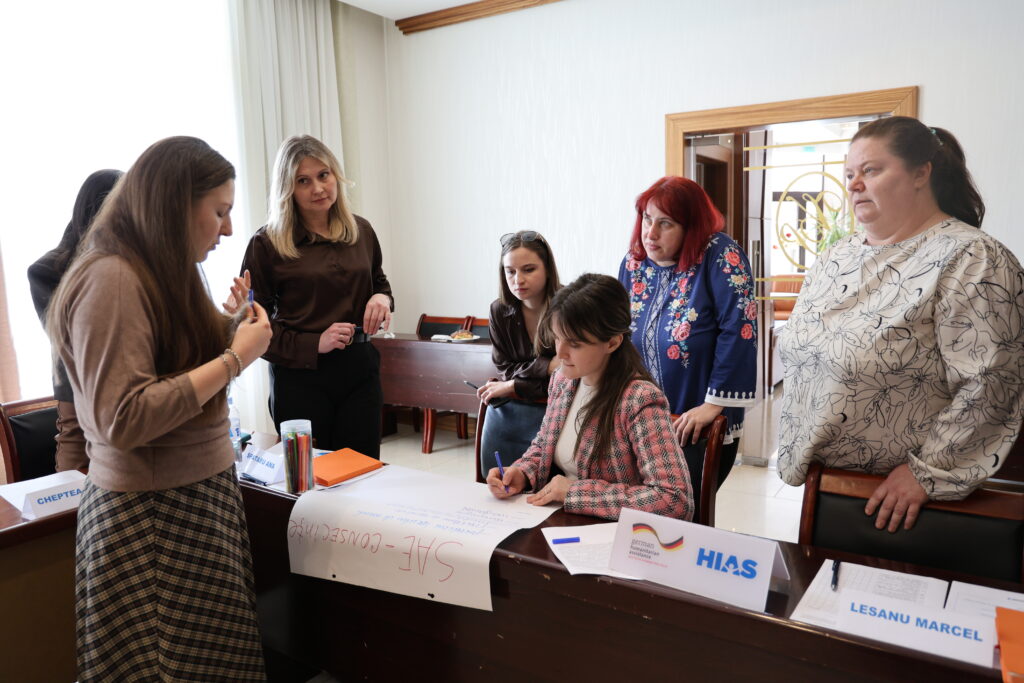
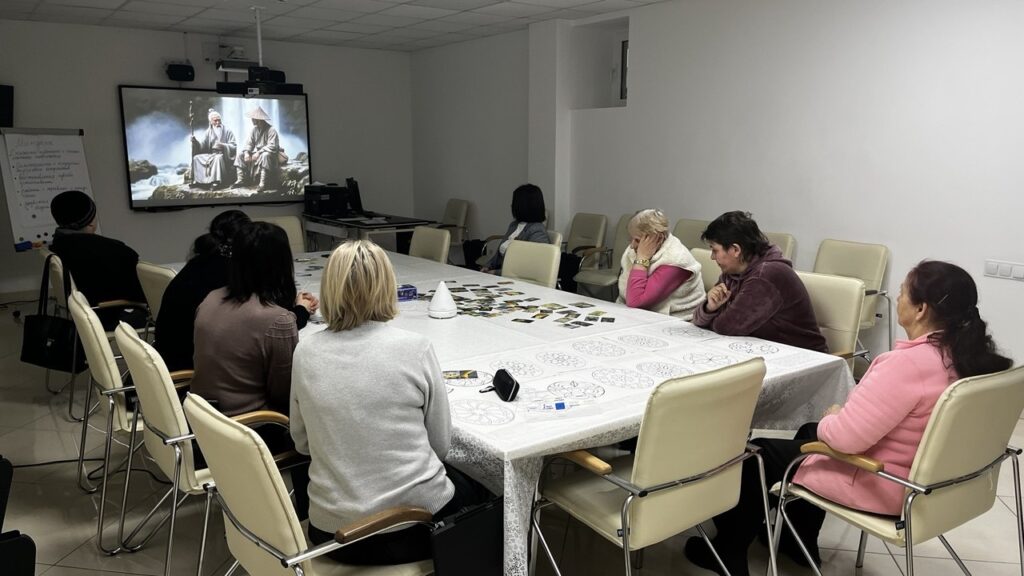
Throughout the session, participants were guided through a process of reflection on their own emotional states and personal resources. A key component was the assessment of burnout levels, which helped participants better understand the balance between professional demands and their capacity to manage them. This was followed by discussions on the factors contributing to burnout and how it manifests in everyday life.
“The session gave me the opportunity to reflect on myself and to apply practical tools. When you feel well, you are better able to support others. You can also recognise when a colleague is becoming overwhelmed and offer support,” said Ina Stăpânețchi, social worker.
The second part of the training focused on identifying realistic and applicable solutions. Participants explored ways to organise their time more effectively, maintain a balance between professional and personal life, and integrate activities into their daily routines that help restore emotional energy. The discussions highlighted that preventing burnout does not necessarily require major changes, but rather consistent attention to one’s own needs.
For teachers who work daily with children and manage complex emotional dynamics, awareness of personal limits becomes an essential professional skill.
“I learned what burnout is and how it affects us – its causes, symptoms and consequences, as well as how it can be prevented. It is a highly relevant topic that should reach all employees, especially those working with people. I learned when to stop, how to set boundaries, and to have the courage to say when I feel overwhelmed,” said Valeria Revencu, teacher at “Dimitrie Cantemir” Gymnasium in Sîngerei.
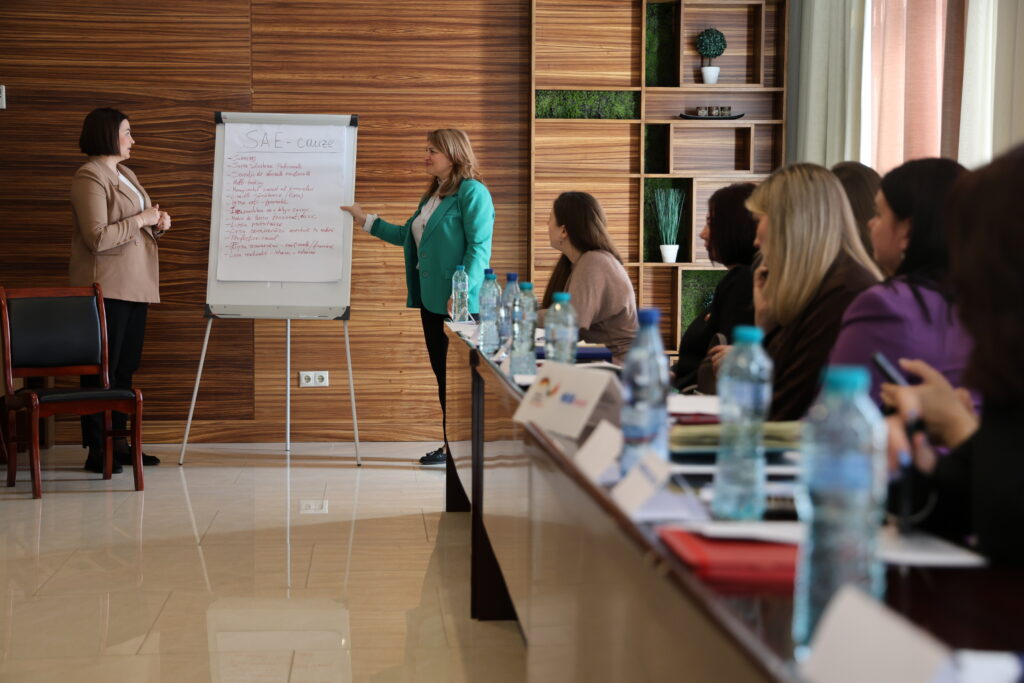
For psychologists who work directly with others’ emotional challenges, the ability to recognise and prevent burnout is essential to provide effective and responsible support.
Irina Dumbrovschi, psychologist at AO “Civic Aid”, highlighted: “I realised that anyone can experience burnout, but it is something that can be prevented. I gained a clearer understanding of its causes, symptoms and prevention methods, and discovered new techniques for self-awareness. I particularly appreciated the session’s practical approach, which I will apply in my work with beneficiaries. This knowledge will help me identify early signs of burnout, both in myself and in others, and respond promptly.”
Beyond its informative value, the session also created a space for connection and openness. Participants shared experiences, acknowledged common challenges and realised they are not alone in facing these difficulties. For many, this sense of shared understanding was one of the most valuable outcomes of the activity.
By organising this training session, “CASMED” NGO reaffirms its commitment to supporting not only service beneficiaries but also the professionals who contribute daily to community well-being. In a field where human involvement is essential, caring for those who provide support is equally important.
___
The activity is part of the project “Improving access to essential protection services by strengthening the humanitarian response role of local women-led organisations in Ukraine and Moldova (WLO)”, funded by the Federal Republic of Germany through the Federal Foreign Office, and implemented by HIAS Europe in partnership with HIAS Moldova and “CASMED” NGO.