Care requires training: CASMED trains 100 personal assistants
Ana Spatari
Uncategorized
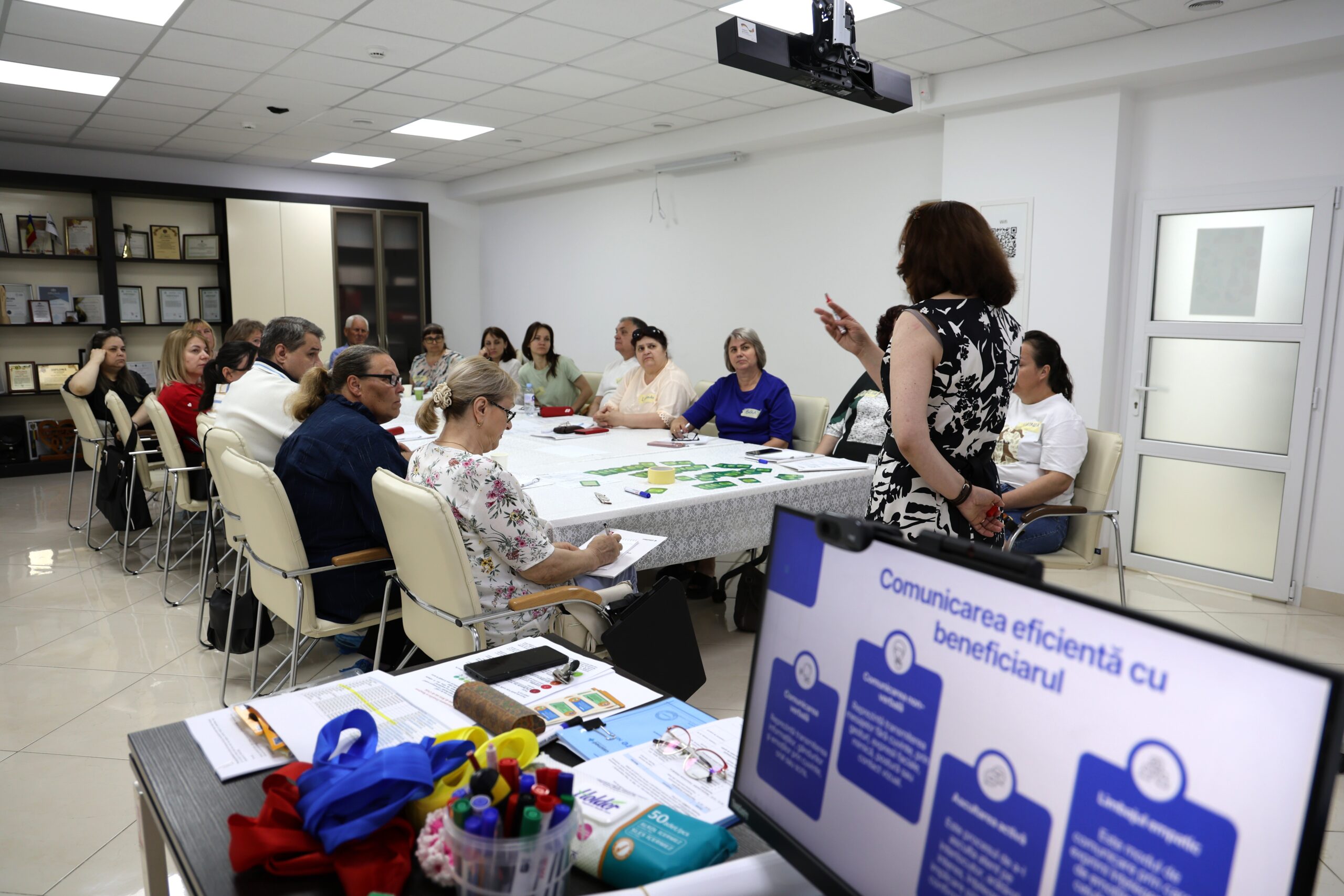
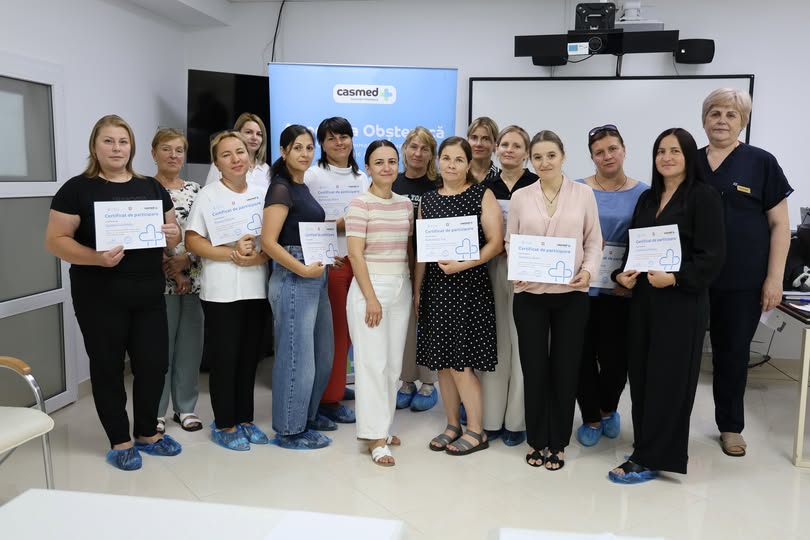
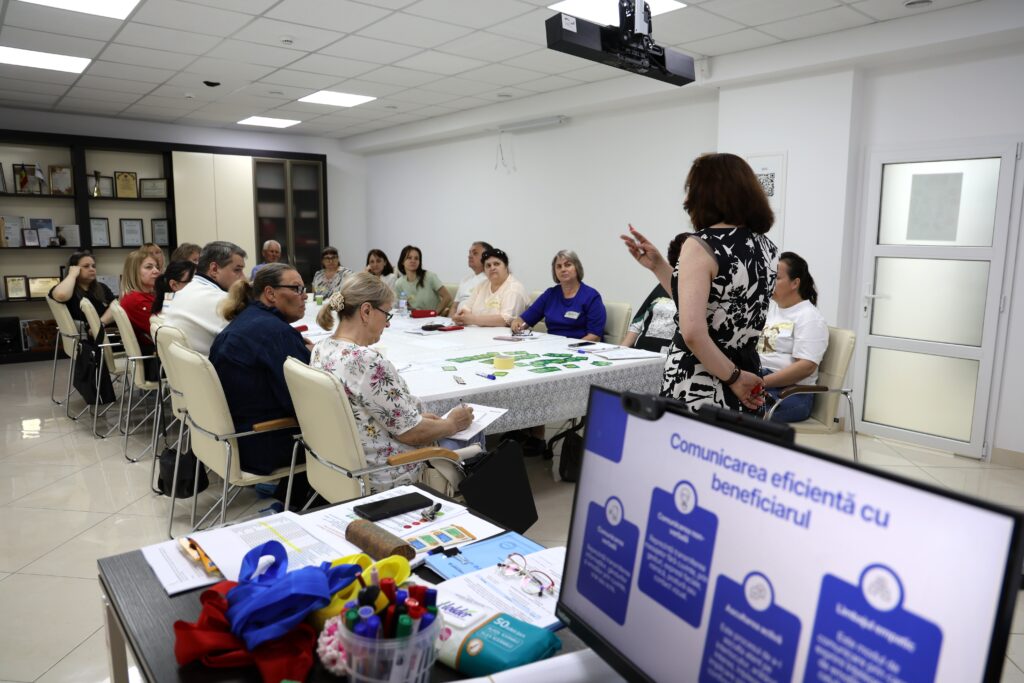
Between May and June 2026, the Public Association „CASMED” delivered the first phase of a continuing professional development programme for personal assistants. The programme brought together 100 participants—91 women and 9 men—from five Territorial Social Assistance Agencies: Ialoveni, Fălești, Orhei, Soroca, and Bălți.
Delivered in a hybrid format, the training combined online and face-to-face learning, providing each participant with 24 academic hours of instruction, including 8 hours online and 16 hours of practical, in-person training.
Personal assistants play a vital role in the long-term care system. Their daily work contributes directly to the safety, well-being, and dignity of people with severe disabilities. For many, caregiving is more than a profession—it is also a family responsibility. Personal assistants are often parents, spouses, siblings, or adult children who support loved ones with complex care needs every day.
Because of this, quality care cannot depend on commitment alone. It requires practical skills, up-to-date knowledge, and ongoing professional support. Well-trained personal assistants are better prepared to prevent complications, respond effectively to challenging situations, and provide safer, more person-centred care.
Strengthening practical care skills
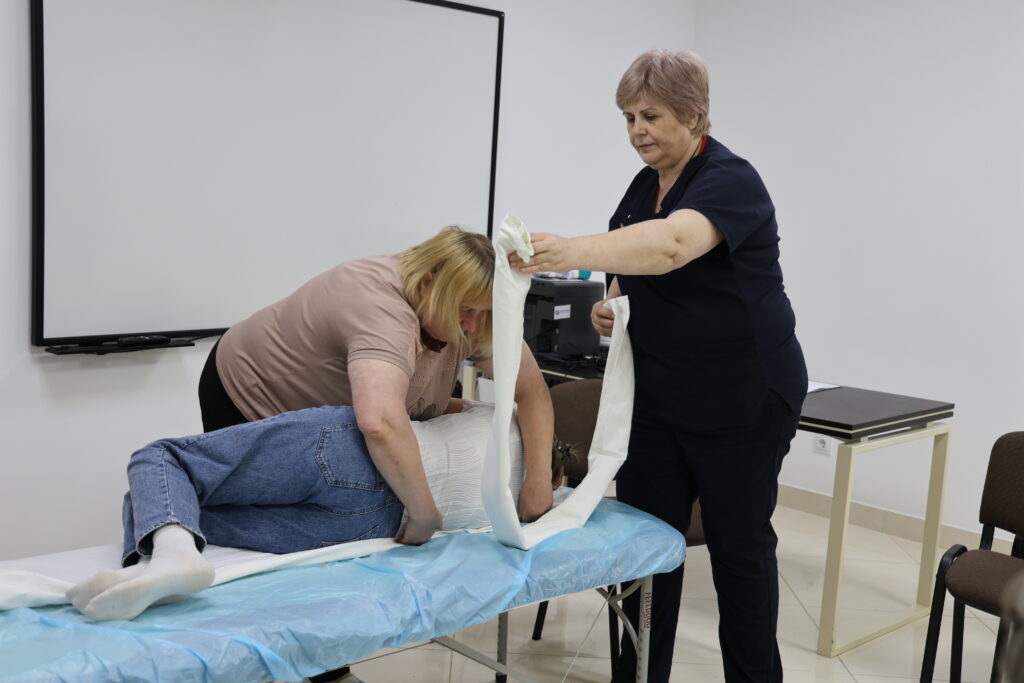
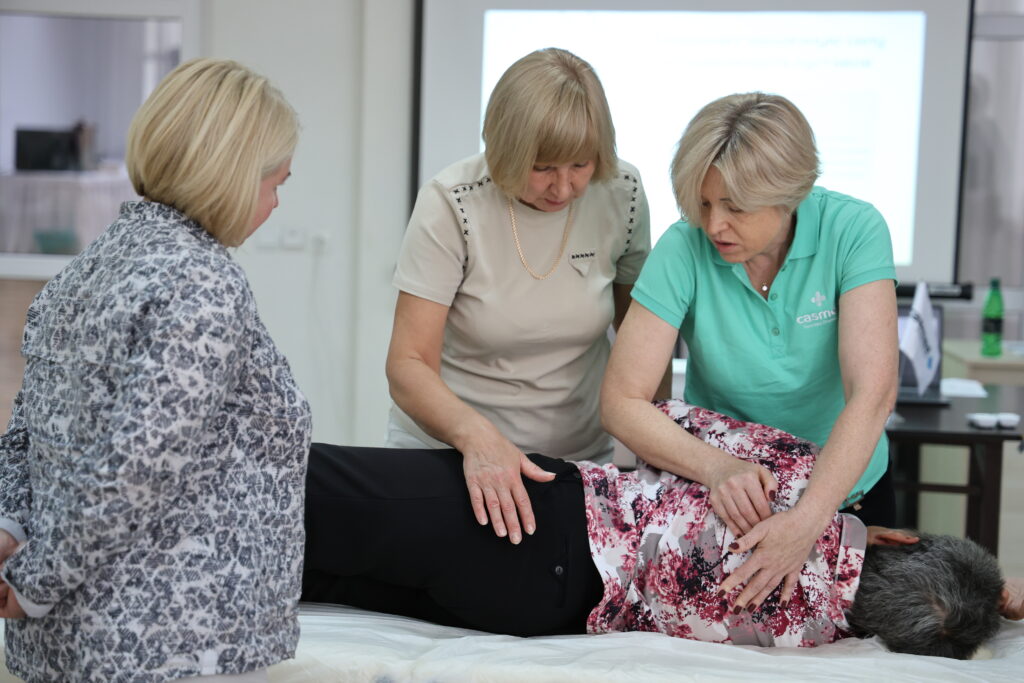
The training programme focused on practical topics closely connected to the daily responsibilities of personal assistants. Participants learned about personal hygiene, pressure ulcer prevention, recognising warning signs, communicating effectively with beneficiaries, stress management, self-care, mobility support, safe transfer techniques, and proper positioning.
Particular attention was given to mobility and transfer techniques. Through practical exercises, participants learned how to safely lift, move, and reposition beneficiaries while protecting both the person receiving care and their own physical health.
For many participants, the practical sessions were the most valuable part of the programme because they addressed real-life situations they face every day.
“The practical sessions were the most useful because we learned many valuable things that help both us and the people we care for,” one participant shared.
Supporting caregivers as well as beneficiaries
The programme also highlighted an often-overlooked aspect of care: the well-being of the caregiver.
Providing support to a person with severe disabilities requires not only physical effort but also significant emotional resilience. Although personal assistants are formally employed for eight hours a day, many provide support around the clock.
When the beneficiary is a family member, the boundaries between work and personal life often become blurred. Continuous responsibility, limited opportunities for rest, and social isolation can eventually lead to exhaustion and burnout.
“Self-care and stress management are extremely important. If we are well, the beneficiaries will be better too. Another person’s life depends on us, and that is a huge responsibility,” said a participant from Ialoveni.
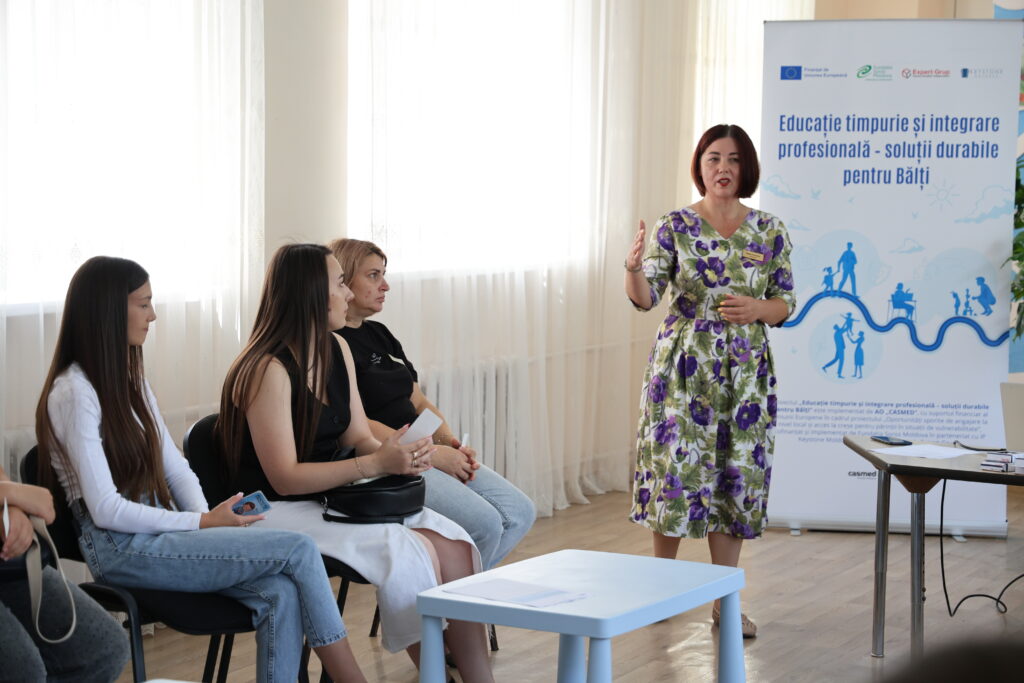
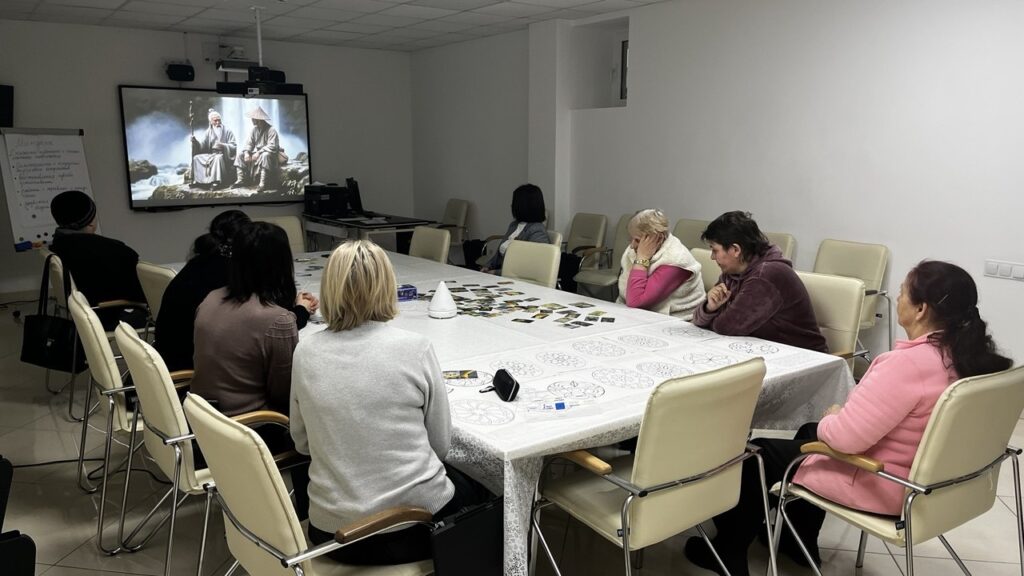
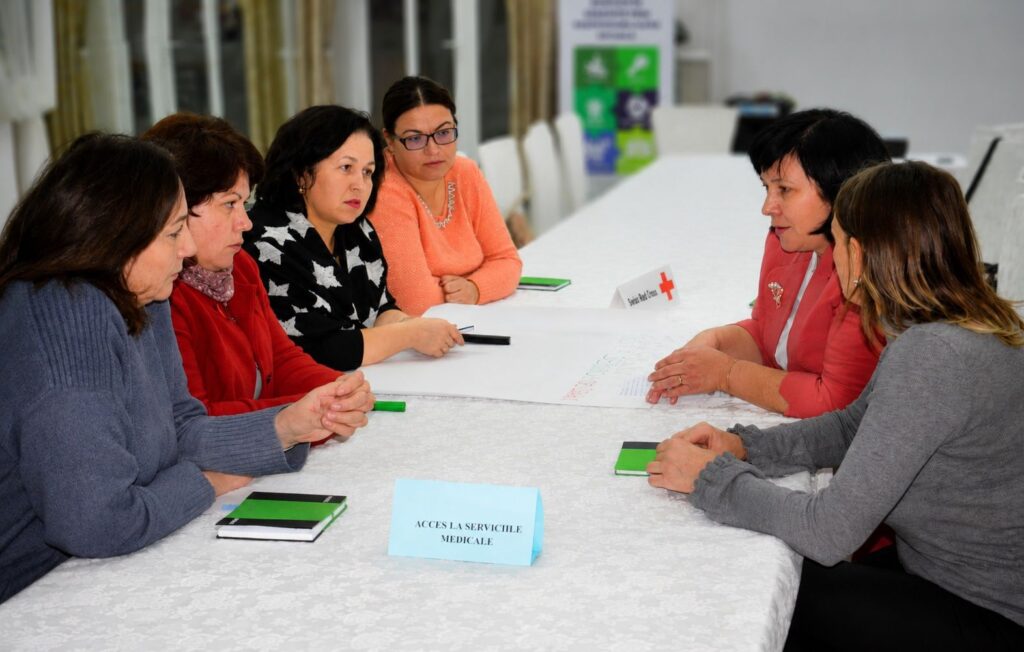
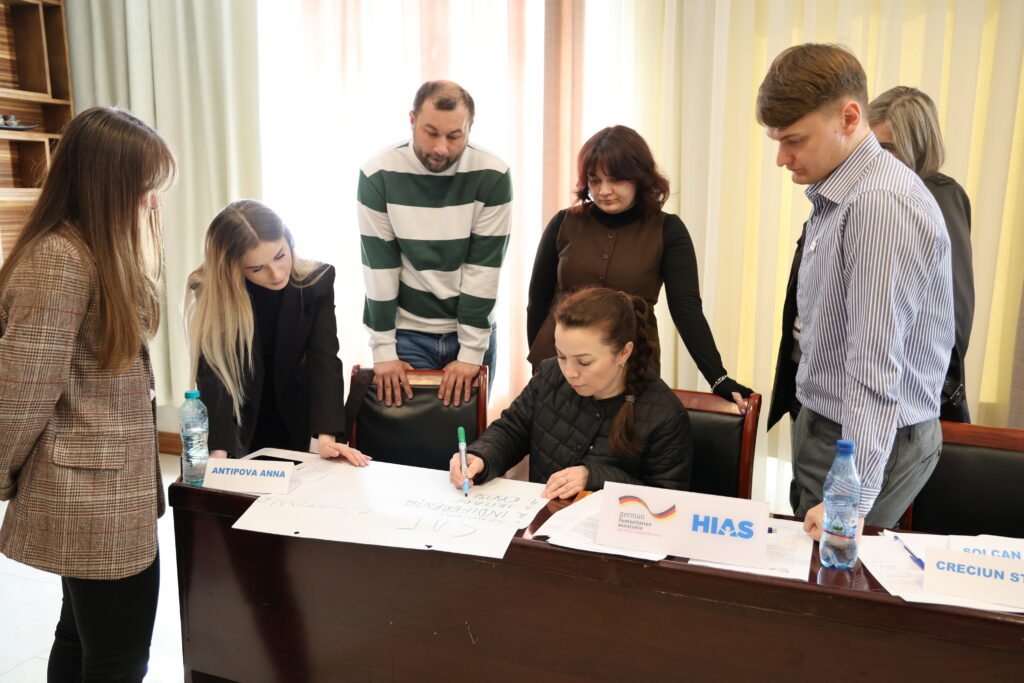
The training also created a valuable space for peer support. Participants exchanged experiences, discussed challenges, and learned from one another’s coping strategies.
Challenges facing personal assistants
Alongside practical learning, participants discussed some of the challenges they encounter in their daily work.
One of the most pressing issues is the lack of respite care services. Without someone who can temporarily take over caregiving responsibilities, personal assistants often struggle to attend medical appointments, rest, or participate in social activities.
Financial pressure was another recurring concern. Essential care supplies, hygiene products, pressure ulcer prevention materials, and specialised equipment often place a significant burden on family budgets.
Participants also highlighted ongoing accessibility barriers within their communities, including the lack of ramps and adapted infrastructure in public institutions.
“We would like authorities and business owners to pay greater attention to accessibility. Accessible entrances and facilities are needed everywhere—from healthcare centres and public institutions to shops, banks, and polling stations. Without them, people with disabilities face barriers every day,” one participant noted.
Discussions also addressed sensitive and complex situations that personal assistants encounter in practice, including managing challenging behaviours and responding appropriately to the emotional and intimate needs of adult beneficiaries. These conversations reinforced the importance of continuous learning and professional guidance.
Investing in long-term care
Participants highly valued both the hybrid format and the practical relevance of the training. Despite the challenges of attending in-person sessions, interest remained strong throughout the programme.
“I would like us to have at least five or six training sessions every year so that we can continue learning, both technically and psychologically,” one participant said.
Their feedback highlights a broader reality: professional development should be an integral part of the long-term care system rather than an occasional opportunity.
The first phase of the programme demonstrated that investing in the skills and well-being of personal assistants is essential for improving long-term care services. High-quality, safe, and dignified care starts with caregivers who are trained, supported, and recognised for the important role they play.
Following the successful completion of the first phase, CASMED will train an additional 100 personal assistants from five more Territorial Social Assistance Agencies. By the end of the programme, a total of 200 personal assistants will have strengthened their professional competencies, helping to improve the quality and safety of care provided to people with complex support needs.
This article was produced with the support of Switzerland. The content of this article does not necessarily reflect the views of the donor.
![casmed [logo] H color 1 (1)](https://casmed.md/wp-content/uploads/2025/06/casmed-logo-H-color-1-1.png)